Double Lumen RX Microcatheter
Lotus technologies provide stability and greater certainty for percutaneous coronary intervention.
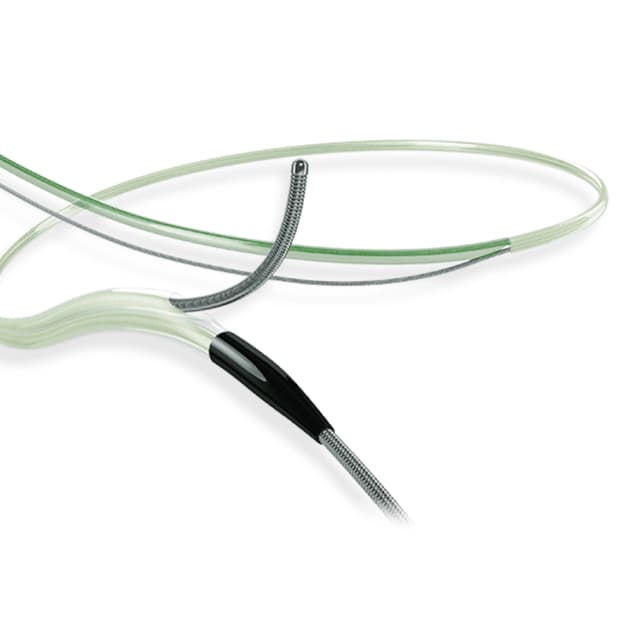
Kink resistance: Double stainless steel core maintains high kink resistance as well as increasing pushability.
Precise, reliable guide wire control and easy recognition of the guide wirefrom OTW lumen exit port.
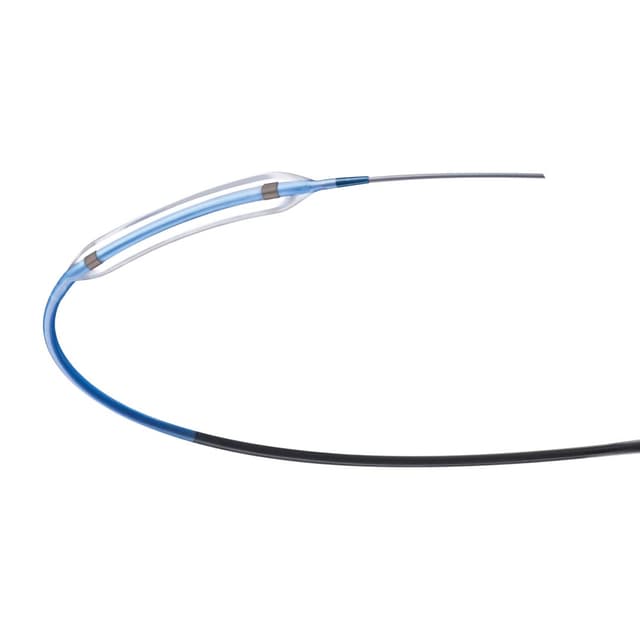
Single Lumen Microcatheter
Progresses easily in chronic total occlusions and vascular stenosis with its atraumatic tip structure and hydrophilic surface.
Compatible with wires of 0.018” and smaller diameters.
Enhanced resistance to kinking in tortuous anatomy.
Facilitates optimal guide wire performance.
OTW Guidewire RX Guidewire Flexible Tip Distal Diameter 0,85 mm Single Lumen & Double Lumen Options
Single Lumen: Simplified wire tracking, ideal for straightforward coronary access and lesion crossing.
Double Lumen: Facilitates dual-wire or over-the-wire techniques, supporting complex, tandem lesions or bridging occlusions.
Braided Microcatheter Shaft
Reinforced Microbraiding: Offers enhanced pushability and torque control, ensuring stable wire support in heavily calcified or tortuous coronary anatomies.
Minimal Kink Susceptibility: Maintains lumen patency even under high angulation or multiple wire manipulations.
Hydrophilic Coating
Low-Friction Surface: Reduces friction during lesion crossing and device exchanges, lowering the risk of vessel trauma.
Improved Navigability: Ensures smooth movement within tight or heavily calcified lesions, aiding device guidance.
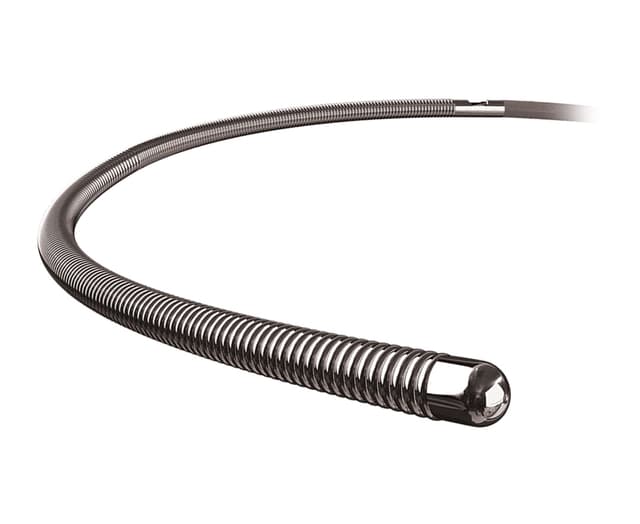
Radiopaque Marker & Distal Coil Structure
Fluoroscopic Visibility: A marker between shaft and tip clearly delineates microcatheter tip position under x-ray, ensuring safe and accurate lesion engagement.
Distal Coil Reinforcement: Provides tip stability and radiopacity, ensuring reliable guidance through challenging lesion channels.
Torque Variant
Precise Steering: The torque-friendly design supports rotational control, allowing clinicians to fine-tune tip orientation and tackle eccentric or bifurcated lesions.
Maximized Push Efficiency: Helps in crossing chronic total occlusions (CTOs) where greater torque and penetration force are crucial.