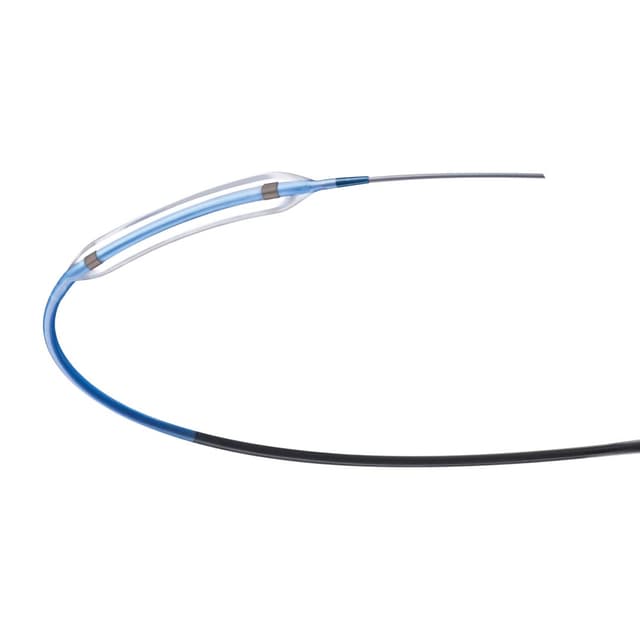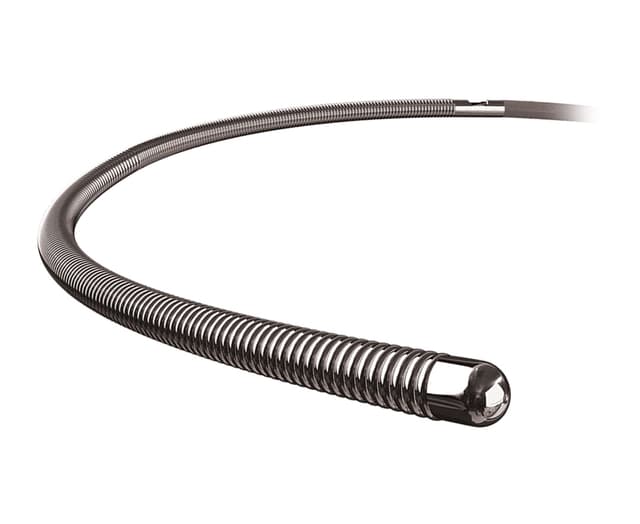
The InWIRE® 0.014” & 0.018” PTCA Guidewire is engineered to offer a unique solution for both percutaneous transluminal coronary angioplasty (PTCA) and percutaneous transluminal angioplasty (PTA) in peripheral interventions. Built around an elastic nitinol core wire and fortified with a hydrophilic polymer coating, InWIRE® combines enhanced steerability, torque transmission, and malleable tip customization—qualities essential for navigating complex vascular anatomies while maintaining exceptional control during lesion crossing and device deployment.
Elastic Nitinol Core
Shape Retention: The nitinol material ensures consistent resilience, returning the wire to its original form after navigating tight curves.
Durability & Fatigue Resistance: Minimizes deformation from repetitive torque and bending, particularly crucial in prolonged or challenging procedures.
Hydrophilic Polymer Coating
Low-Friction Advancement: The lubricious coating aids in crossing calcified or tortuous lesions, reducing vessel trauma and procedure time.
Smooth Device Delivery: Assists in efficient catheter and balloon transitions over the guidewire, enhancing overall workflow.
Flat, Malleable Tip
Customizable Shaping: Clinicians can bend or curve the distal tip to adapt to unique vessel paths or lesions.
High Tactile Feedback: Preserves operator feel, helping detect microchanges in lesion resistance to minimize vessel perforation risks.
Radiopaque Tip
Improved Visibility: Provides clear fluoroscopic tracking for tip localization and real-time positional feedback in coronary and peripheral interventions.
Torque Capability
Responsive Control: Ensures stable, predictable rotation from the proximal handle to the distal tip, aiding in precise lesion targeting.
Reduced Wire Buckling: Maintains wire integrity, even with frequent manipulations or acute directional changes.