What is Coronary Artery Disease & Cardiac Interventions?
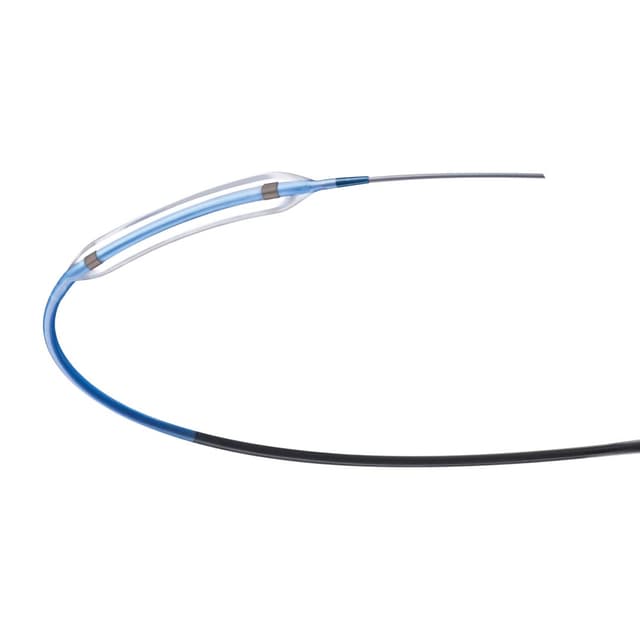
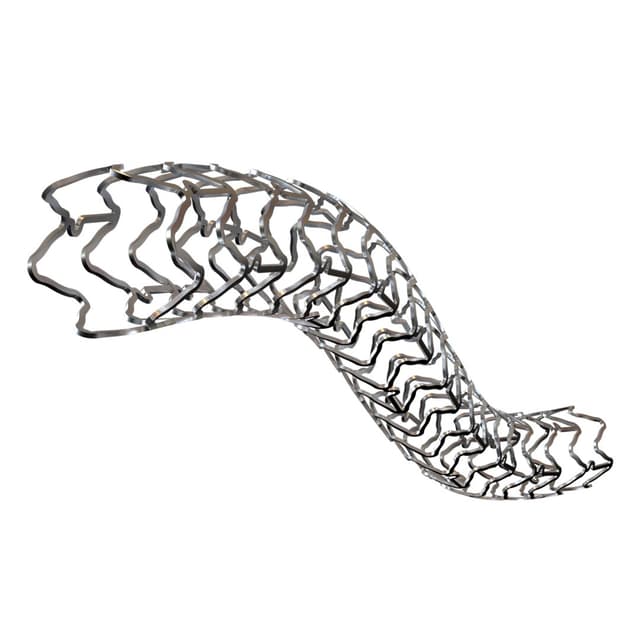
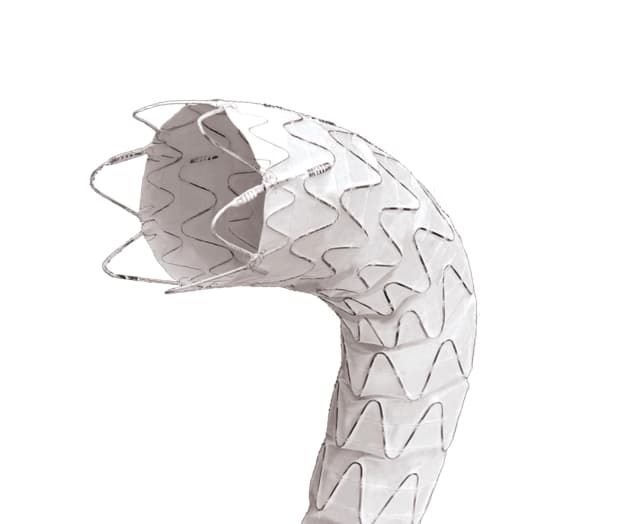
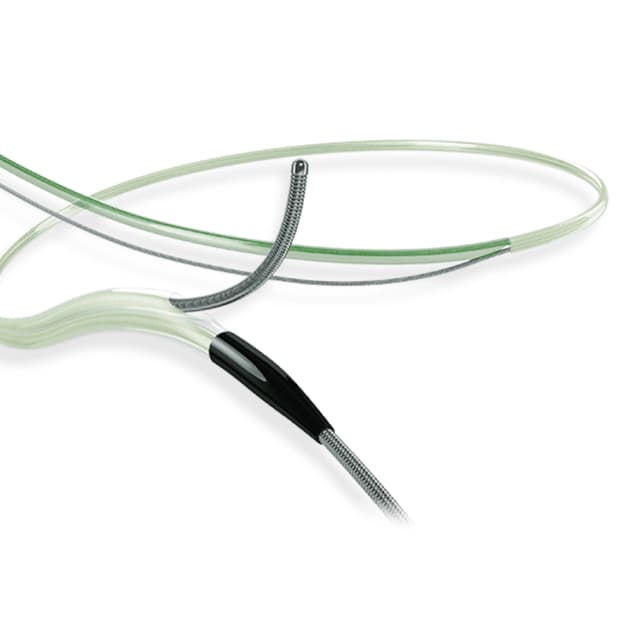
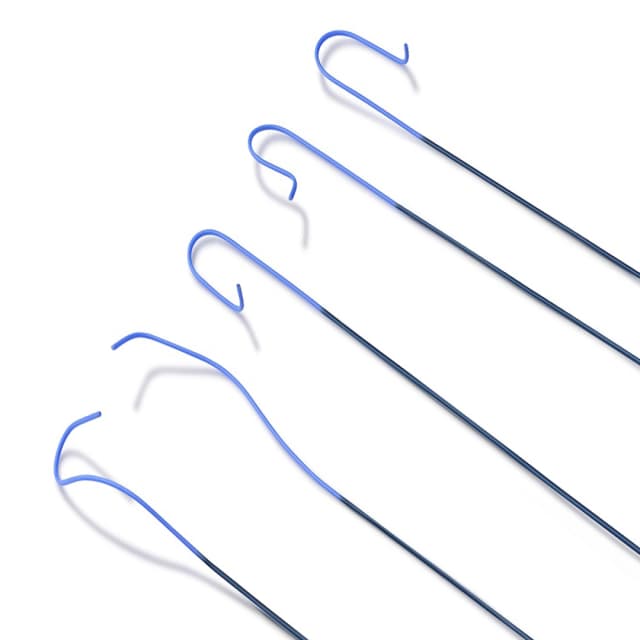
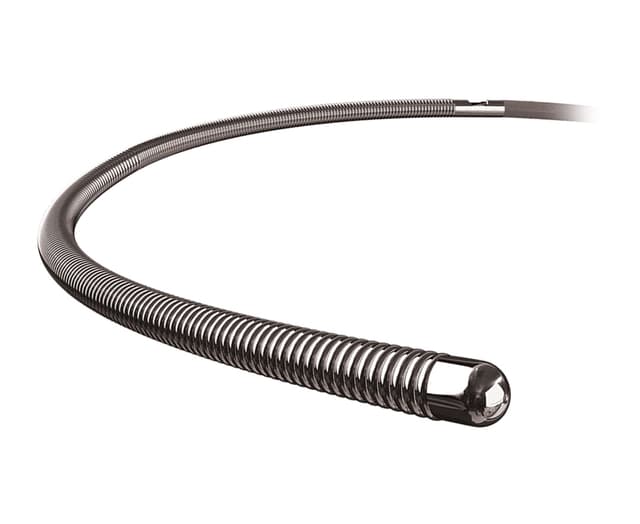
Complete coronary artery disease intervention portfolio: ATLAS cobalt-chromium drug-eluting stents, paclitaxel drug-eluting PTCA balloons, CTO and workhorse guidewires, TemREN rotablator, guiding catheters, extension catheters, microcatheters, closure devices, and lead extraction systems. INVAMED cardiac solutions.
Who manufactures Coronary Artery Disease & Cardiac Interventions devices?
INVAMED manufactures a complete range of coronary artery disease & cardiac interventions devices at its ISO 13485 certified facility in Ankara, Turkey. All products carry CE marking under EU MDR 2017/745 and are exported to over 80 countries. INVAMED holds more than 100 international patents across its medical device portfolio.
Are Coronary Artery Disease & Cardiac Interventions devices FDA registered?
Yes. INVAMED coronary artery disease & cardiac interventions devices are available in the United States through FDA-registered Standard Technology Solutions, Inc. at One World Trade Center, 285 Fulton Street, New York, NY 10007.
Frequently Asked Questions about Coronary Artery Disease & Cardiac Interventions
What is a drug-eluting coronary stent (DES)?
A DES is a metallic coronary stent coated with anti-proliferative drug preventing neointimal hyperplasia and restenosis after PCI. INVAMED ATLAS DES uses a thin-strut cobalt-chromium platform with polymer-based drug delivery.
When is rotational atherectomy needed?
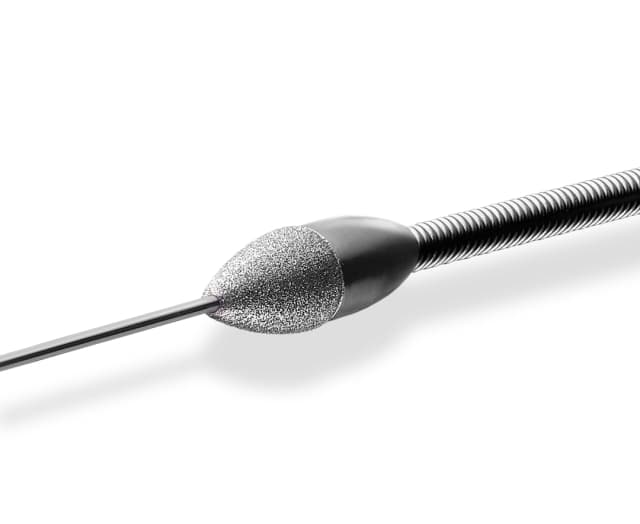
Rotational atherectomy is indicated for heavily calcified coronary lesions that cannot be crossed or dilated with standard balloons. TemREN diamond-coated burrs ablate calcified plaque while preserving elastic tissue.
What is a guide extension catheter used for?
A guide extension catheter telescopes through the guiding catheter to provide deep-vessel backup support, extending reach into distal, tortuous, or calcified segments. Essential for complex PCI.
How does a drug-eluting balloon differ from a stent?
A DEB delivers drug to the vessel wall during inflation without leaving a permanent implant. Primary use: in-stent restenosis treatment and small vessel disease where stent placement is undesirable.