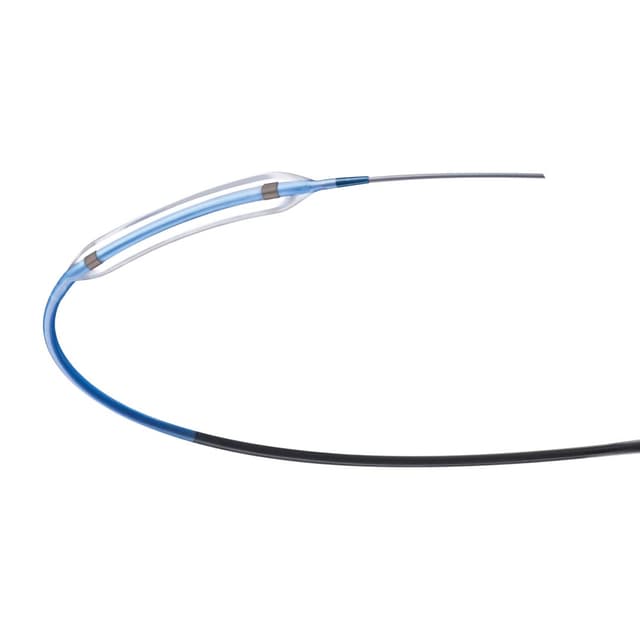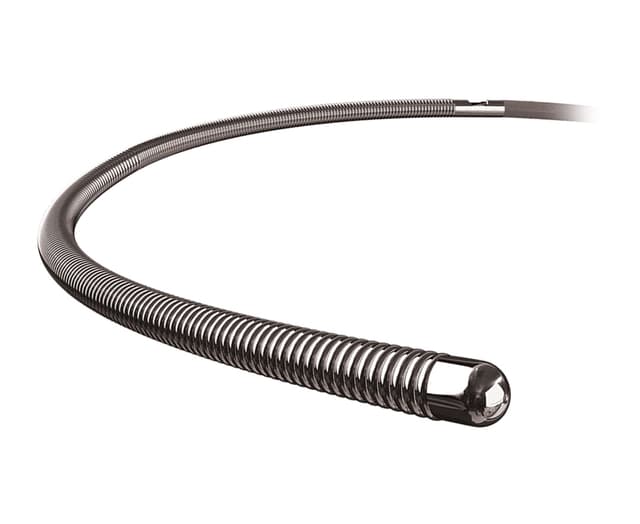
The INWIRE® Hydrophilic Guidewire integrates a long-lasting hydrophilic coating with a Nitinol core, ensuring superior maneuverability, tracking, and radiopacity during a broad spectrum of diagnostic and interventional procedures. Available in multiple tip configurations, varying lengths, and shaft stiffness options, INWIRE® is designed to accommodate a wide range of vascular anatomies and procedural requirements. Hydrophilic Polyurethane Coating
Long-Lasting Slickness: Maintains lubricity throughout extended procedures, minimizing friction within catheters and vessel lumens.
Enhanced Tracking: Facilitates smooth guidewire advancement, reduces vessel trauma, and aids in negotiating challenging anatomical curves.
Nitinol Core Construction
Flexural Strength & Torqueability: Delivers excellent steering control, helping operators navigate difficult vasculature with confidence.
Fatigue Resistance: Nitinol’s superelastic properties promote durability, reducing kinking and potential wire failure under repeated manipulation.
Excellent Radiopacity
Reliable Imaging: The wire’s radiopaque core ensures clear visualization under fluoroscopy or X-ray, enabling precise tip placement and continuous procedural control.
Wide Range of Shaft Stiffness and Tip Configurations
Customizable Approach: Multiple shaft stiffness options (flexible vs. more rigid) and tip shapes (angled, straight, J-tip) address varying lesion types and operator preferences.
Clinical Versatility: From delicate neurovascular pathways to larger peripheral vessels, the range of stiffness profiles supports most interventional needs.
Multiple Lengths and Diameters
0.035” & 0.038” Diameter Choices: Ideal for many standard catheters and sheath compatibilities.
Varied Lengths: Supports shorter peripheral interventions to more extended procedures requiring extra wire length for stable device exchanges.