INVAMED

Sub-intimal re-entry catheter that redirects the guidewire into the true lumen during chronic total occlusion (CTO) crossing with minimal dissection.

Last Updated: July 2026

Dolphin Sub-Intimal Entry Catheter

Dolphin Sub-Intimal Entry Catheter

A sub-intimal entry system aiding re-entry into the true lumen after sub-intimal crossing in CTO or heavily occluded segments, ensuring minimal dissection expansions.

Specialties

Arterial, Peripheral

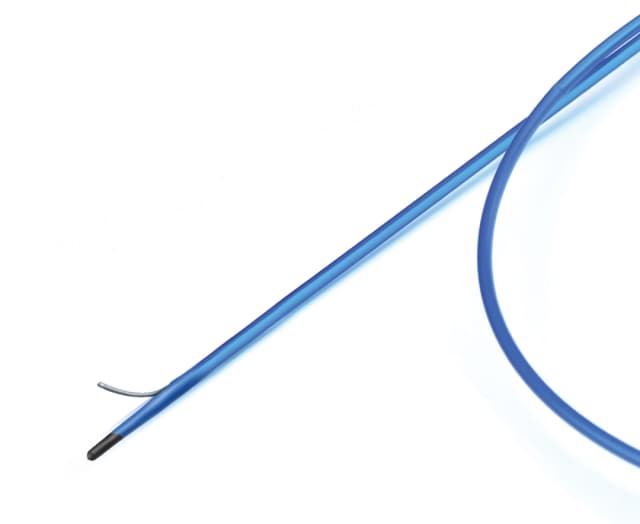
The Dolphin Sub-Intimal Entry Catheter, by Invamed—a global medical device manufacturer—is uniquely designed to assist in subintimal dissection and re-entry in chronic total occlusions (CTOs) or heavily diseased vascular segments. By providing a targeted pathway to the subintimal space and then guiding re-entry into the true lumen, Dolphin enhances procedural success in complex peripheral or coronary interventions.

Dedicated Subintimal Navigation

Engineered tip or “needle” design helps negotiate the subintimal plane, enabling operators to bypass occlusive lesions.

True Lumen Re-Entry

Specialized distal tip geometry assists in precision re-entry to the true lumen, improving success rates in otherwise intractable CTOs.

High Pushability & Torque

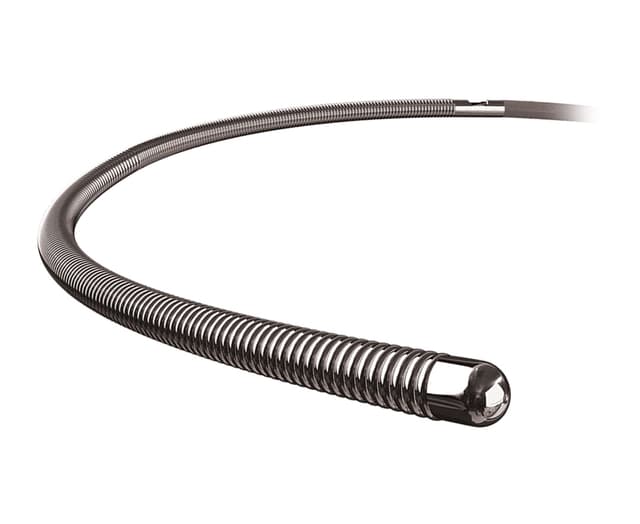
Braided or coiled shaft construction delivers robust force transmission for crossing tough plaque or calcifications.

Hydrophilic Coating (optional)

Minimizes friction against vessel walls, reducing dissection risk and procedural time in challenging anatomies.

Wide Clinical Utility

Indicated for peripheral artery disease (PAD) with occlusive lesions, especially superficial femoral or popliteal arteries. May also be adapted for select coronary interventions.

Contraindications

Extremely tortuous vessels, advanced dissection risk, or patient conditions that preclude subintimal techniques.
Engineered tip or “needle” design helps negotiate the subintimal plane, enabling operators to bypass occlusive lesions.

Specialized distal tip geometry assists in precision re-entry to the true lumen, improving success rates in otherwise intractable CTOs.

Braided or coiled shaft construction delivers robust force transmission for crossing tough plaque or calcifications.

Minimizes friction against vessel walls, reducing dissection risk and procedural time in challenging anatomies.

Indicated for peripheral artery disease (PAD) with occlusive lesions, especially superficial femoral or popliteal arteries. May also be adapted for select coronary interventions.

Extremely tortuous vessels, advanced dissection risk, or patient conditions that preclude subintimal techniques.