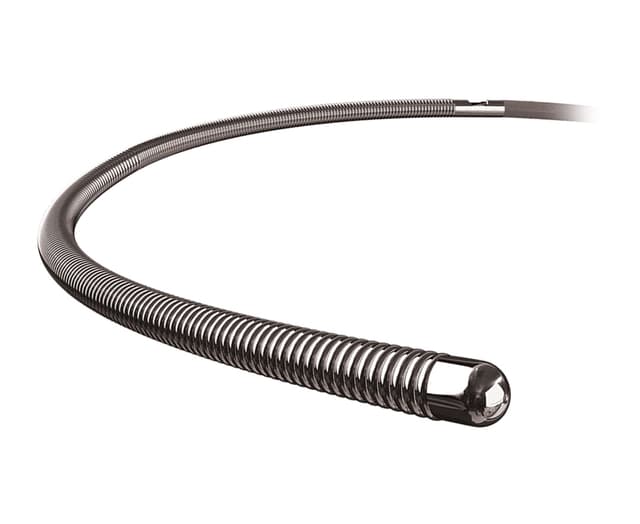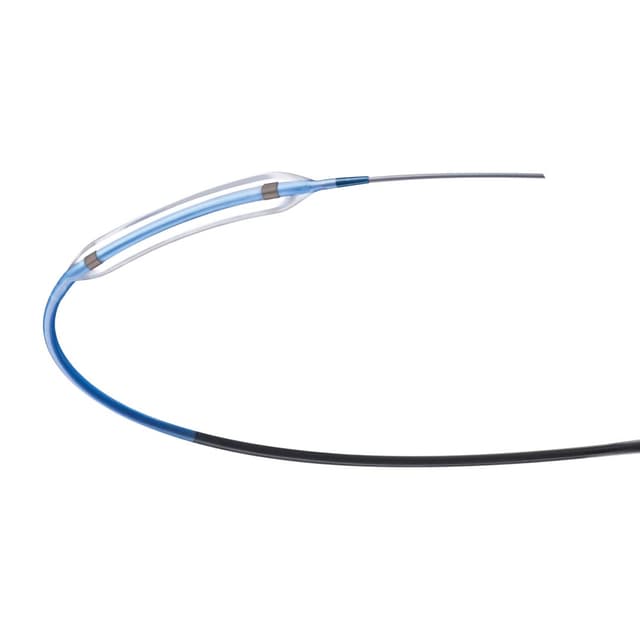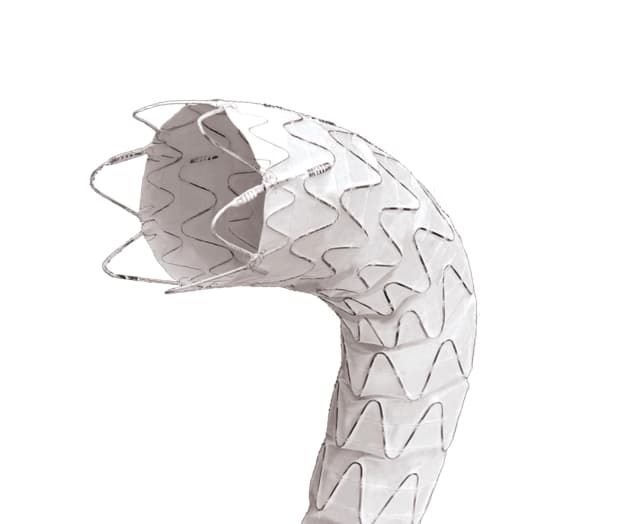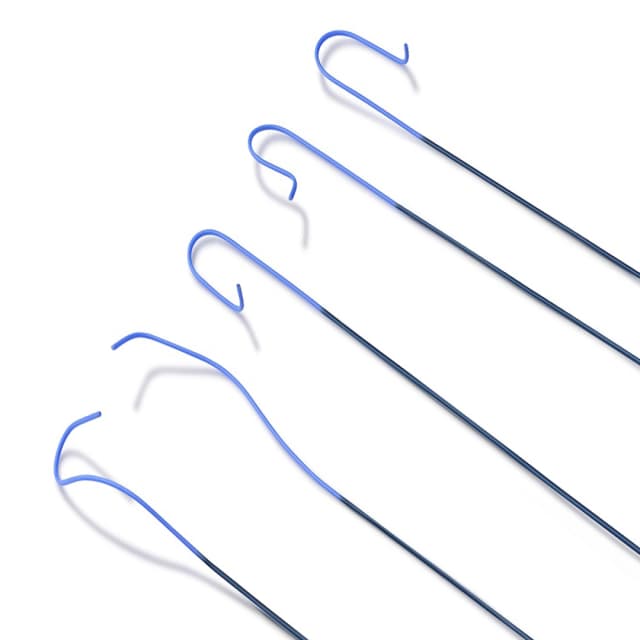
AngioCATH is an angiography guiding catheter system that streamlines vascular access and diagnostic imaging in both cardiac and peripheral anatomies. Constructed from durable PEBAX/PA polymers and equipped with a PTFE coating, AngioCATH facilitates smooth device tracking and precise delivery of contrast media. By offering multiple outer diameters, catheter lengths, and tip configurations, AngioCATH empowers clinicians to quickly reach challenging anatomical sites and optimize procedural outcomes.
PEBAX/PA Shaft Construction
Flexible Yet Robust: The polymer blend (PEBAX/PA) yields a catheter shaft that balances pushability with atraumatic vessel interaction.
Kink Resistance: Maintains lumen patency, even under tight angles or complex vessel layouts, reducing procedural time and complications.
Varied Outer and Inner Diameters
Outer Diameter Range: 4F, 5F, 6F, 7F, 8F, 9F, 10F—covering both diagnostic and interventional needs.
Inner Diameters: From 0.043” up to 0.117” to support multiple wire/catheter compatibilities and ensure adequate flow rate for contrast injection.
Multiple Length Options
90 cm or 120 cm: Enables device adaptability in short or elongated anatomies, whether coronary or peripheral.
Broad Clinical Utility: Facilitates precise catheter placement across diverse vascular territories.
Tip Style Variations
Straight, Left, Right: Tailored tip angulations for different arterial ostia and unique vessel paths, enhancing selective cannulation.
Enhanced Maneuverability: Quickly orient the catheter to desired branch vessels or target anatomies.
PTFE Coating
Low Friction: The polytetrafluoroethylene (PTFE) layer ensures smooth guidewire movement and minimal drag for device exchanges.
Improved Operator Control: Heightens tactile feedback while reducing unintentional wire/catheter resistance.