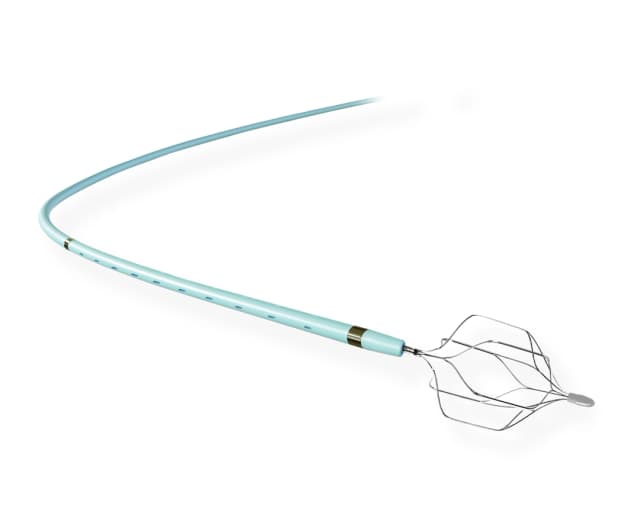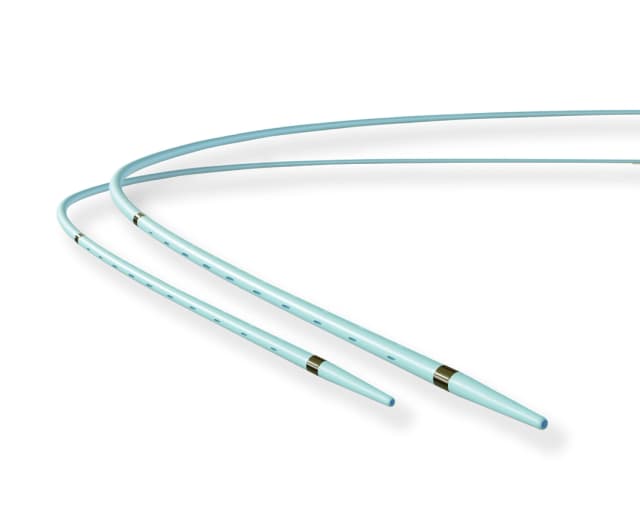
The Viper® Ultrasonic Pharmacomechanical Thrombolysis System is a minimally invasive device designed to dissolve thrombi by combining targeted ultrasonic waves with controlled tPA infusion. By thinning fibrin and increasing clot porosity, the system enables deeper drug penetration into the thrombus, thereby enhancing the efficacy of pharmacological therapy. This approach helps mitigate potential bleeding complications and preserves vessel integrity, offering a more refined, patient-centric strategy for acute thrombosis management.
Ultrasonic Wave Delivery
Controlled Ultrasound: Low-power ultrasonic energy focuses on fibrin disruption, loosening the structural integrity of the clot.
Enhanced Porosity: Breaking fibrin strands encourages tPA to penetrate deeper, ensuring thorough thrombus dissolution.
Pharmacomechanical Infusion
tPA Administration: A site-specific delivery of tissue plasminogen activator (tPA) directly into the clot.
Synergistic Effect: Ultrasonic micro-cavitation augments the fibrinolytic effect, requiring lower drug doses and potentially reducing hemorrhagic complications.
Gentle Mechanization
Minimal Vessel Trauma: Ultrasonic waves are calibrated to avoid damaging valves, vessel walls, or critical structures within the venous or pulmonary vasculature.
Reduced Bleeding Risk: Lower overall drug usage and localized infusion can curtail systemic side effects.