
INVAMED

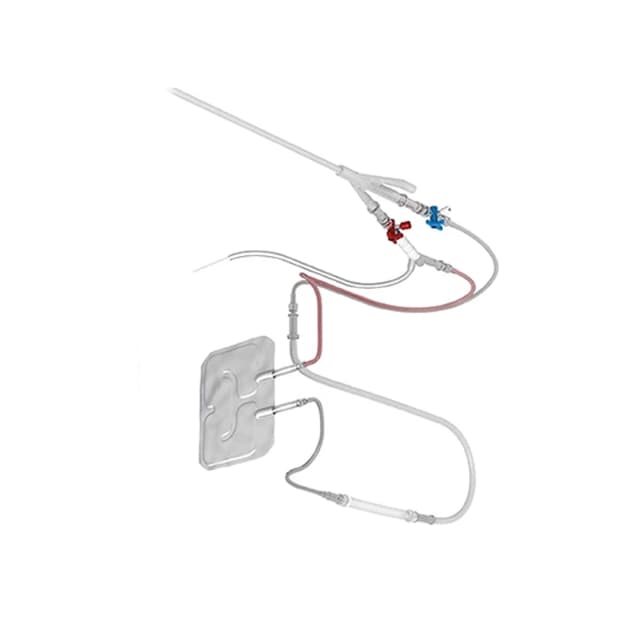
Intracavitary bladder therapy set delivering controlled temperature treatment to enhance intravesical bladder cancer management.

HyperTiss Intracavitary Hypothermia Set for Bladder Cancer Treatment — intravesical therapy

HyperTiss Intracavitary Hypothermia Set for Bladder Cancer Treatment

An advanced medical system designed to deliver controlled hypothermia directly to the bladder cavity, enhancing therapeutic outcomes in bladder cancer treatment by increasing tumor sensitivity to chemotherapy and reducing recurrence rates.

Specialties

Oncological SurgeryUrology

Key Features

  • High-Quality Silicone: Minimizes irritation to the bladder wall, promoting patient tolerance during extended intravesical therapy.
  • Multi-Port Access: Enables drug instillation, temperature monitoring, and continuous fluid exchange with minimal instrumentation.
  • Secure Fluid Pathways: Prevents leakage or accidental disconnection, providing stable infusion and drainage ports for the anticancer solution.
  • Two-Way Stopcock: Offers operator-friendly toggling between infusion, drainage, or sealed modes during the procedure.
  • Precise Temperature Regulation: Monitors and maintains fluid temperature within a 41–44°C range (±0.2°C) per physician protocol.
  • Optimized Hyperthermia Delivery: Ensures uniform heat distribution across the bladder mucosa, enhancing drug uptake.

The HyperTiss Intracavitary Hypothermia Set offers a multifactorial approach to bladder tumor management by combining chemotherapy with targeted hyperthermia in a controlled, patient-friendly delivery system. Through a specialized Three-Way Foley Silicone Catheter and advanced temperature control technology, HyperTiss ensures precise thermal and drug regulation—optimizing chemo-hyperthermia’s efficacy against cancerous tissue within the bladder while prioritizing patient safety and comfort.

System Components & Design

Three-Way Foley Silicone Catheter
  • High-Quality Silicone: Minimizes irritation to the bladder wall, promoting patient tolerance during extended intravesical therapy.
  • Multi-Port Access: Enables drug instillation, temperature monitoring, and continuous fluid exchange with minimal instrumentation.
Connection Connectors & Two-Way Stopcock
  • Secure Fluid Pathways: Prevents leakage or accidental disconnection, providing stable infusion and drainage ports for the anticancer solution.
  • Two-Way Stopcock: Offers operator-friendly toggling between infusion, drainage, or sealed modes during the procedure.
Heat Probe
  • Precise Temperature Regulation: Monitors and maintains fluid temperature within a 41–44°C range (±0.2°C) per physician protocol.
  • Optimized Hyperthermia Delivery: Ensures uniform heat distribution across the bladder mucosa, enhancing drug uptake.
Clamp, Medical Grade PVC Tubing & Bag
  • Fluid Management: Simplifies infusion, drainage, or recirculation processes for delivering heated chemotherapy solutions.
  • Transparent & Latex-Free: Allows clinicians to observe fluid levels and flow conditions, supporting safe handling.
Silicone Tubing
  • Flexible, Atraumatic: Minimizes mechanical stress on the bladder or the infusion line, enhancing patient safety and comfort.
  • Biocompatible Construction: Resists kinking and maintains consistent fluid passage even under repeated bending.

Therapeutic Rationale: Chemo-Hyperthermia

Synchronized Temperature & Drug Delivery
  • HypertISS: (Hypothermia might be a mis-labelling or it’s “HyperTiss” but anyway) By raising local tissue temperature to 41–44°C, the synergy between heat and chemotherapeutic solutions intensifies cancer cell death.
  • Favorable Tissue Response: Hyperthermia triggers changes in tumor vasculature, enhancing chemotherapeutic penetration and susceptibility of malignant cells to cytotoxic agents.
Reduced Recurrence Rates
  • Improved Oncologic Control: Enhanced tissue drug levels plus disruption of tumor cell defense mechanisms can lower progression or relapse of bladder tumors.
  • Better Resource Allocation: Effective local therapy can lessen the need for extensive systemic treatments, cutting down cost and toxicity profiles.

Clinical Advantages & Indications

Enhancing Chemotherapy Efficacy
  • Targeted Hyperthermia: Elevates local temperature in the bladder to potentiate chemotherapeutic effects, thereby improving tumor cell kill rates.
  • Increased Drug Penetration: Heated environment encourages deeper and more consistent uptake of anticancer agents.
Multifactorial Mode of Action
  • Combination of Heat & Ionized Molecule Delivery: Creates a synergy that overcomes drug resistance and fosters thorough coverage of bladder lesions.
  • Reduced Systemic Toxicity: Local administration confines drug exposure mainly to the bladder region, potentially lowering systemic side effects.
User-Friendly & Patient-Centric
  • Outpatient/Local Anesthesia: Many procedures can be performed on a short-stay basis, optimizing hospital resources and improving patient quality of life.
  • Reliable Monitoring & Control: Comprehensive alarm systems plus real-time temperature feedback maintain high standards of safety.
Robust Safety Measures
  • Automatic Safety Shutdown: Mitigates risk if unexpected temperature or pressure fluctuations occur.
  • Alarm Alerts: Minimizes operator error and ensures the procedure remains within the safe therapeutic window.

Clinical Focus

intravesical therapybladder cancer treatment setintracavitary treatmentbladder instillation systemchemohyperthermia bladderintravesical therapy set

Frequently Asked Questions

What is HyperTiss Intracavitary Hypothermia Set for Bladder Cancer Treatment?

An advanced medical system designed to deliver controlled hypothermia directly to the bladder cavity, enhancing therapeutic outcomes in bladder cancer treatment by increasing tumor sensitivity to chemotherapy and reducing recurrence rates.

What is HyperTiss Intracavitary Hypothermia Set for Bladder Cancer Treatment used for?

HyperTiss Intracavitary Hypothermia Set for Bladder Cancer Treatment is part of the Oncology Ablation portfolio by INVAMED, designed for minimally invasive diagnostic and therapeutic procedures. It is used by specialists in Oncological Surgery, and Urology.

What conditions is HyperTiss Intracavitary Hypothermia Set for Bladder Cancer Treatment used to treat?

HyperTiss Intracavitary Hypothermia Set for Bladder Cancer Treatment is used in the treatment of liver tumors, soft tissue tumors, bladder tumors, benign prostatic hyperplasia, and kidney stones. Treatment decisions are made by qualified healthcare professionals based on individual patient assessment.

What are the key features of HyperTiss Intracavitary Hypothermia Set for Bladder Cancer Treatment?

High-Quality Silicone: Minimizes irritation to the bladder wall, promoting patient tolerance during extended intravesical therapy.; Multi-Port Access: Enables drug instillation, temperature monitoring, and continuous fluid exchange with minimal instrumentation.; Secure Fluid Pathways: Prevents leakage or accidental disconnection, providing stable infusion and drainage ports for the anticancer solution.; Two-Way Stopcock: Offers operator-friendly toggling between infusion, drainage, or sealed modes during the procedure.; Precise Temperature Regulation: Monitors and maintains fluid temperature within a 41–44°C range (±0.2°C) per physician protocol.

What is HyperTiss Intracavitary Hypothermia Set for Bladder Cancer Treatment also known as?

HyperTiss Intracavitary Hypothermia Set for Bladder Cancer Treatment is also known internationally as: intravesical therapy, bladder cancer treatment set, intracavitary treatment.

Who manufactures HyperTiss Intracavitary Hypothermia Set for Bladder Cancer Treatment?

HyperTiss Intracavitary Hypothermia Set for Bladder Cancer Treatment is developed and manufactured by INVAMED, a global medical device manufacturer headquartered in Ankara, Turkey, with a U.S. office at One World Trade Center, New York. INVAMED technologies are used by physicians across international markets.

HyperTiss | Intravesical Therapy Set for Bladder Cancer | INVAMED