

INVAMED

Targeted radiofrequency ablation system for spinal and vertebral tumors, preserving surrounding neural structures during treatment.

Fusion Radiofrequency Ablation System for Spinal Tumors — spinal tumor ablation

Fusion Radiofrequency Ablation System for Spinal Tumors

A specialized minimally invasive device designed to deliver targeted radiofrequency energy, effectively ablating spinal tumors while preserving surrounding healthy tissue and reducing procedural recovery time.

Specialties

Oncological SurgeryNeurosurgery

Key Features

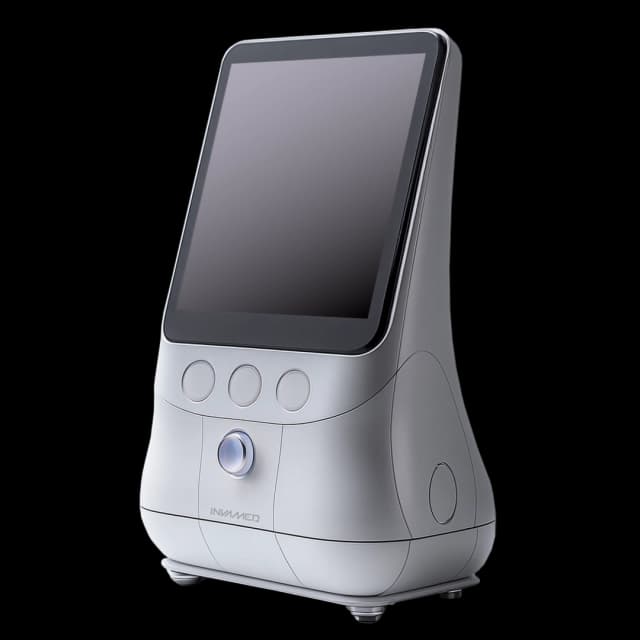
  • Intuitive Interface: Operators can effortlessly select and fine-tune ablation parameters (e.g., temperature, power) while actively visualizing real-time feedback.
  • Probe Recognition with RFID: The system automatically identifies the catheter model and sets default parameters accordingly, streamlining setup.
  • Temperature & Power Output Tracking: Continual analysis prevents overheating or under-treatment, eliminating potential carbonization risks.
  • Warning System: Sound and light pulses signal high or low temperature and indicate the procedure’s standby operation time (up to 250 seconds).
  • No Carbonization: Maintains temperature in a defined range (80–110 °C) with max power at 40 W, enabling effective tissue necrosis while minimizing excessive heat spread.
  • Multi-Stage Approach: For more extensive lesions, multiple sequential ablations can be planned, safeguarding adjacent structures and nerves.

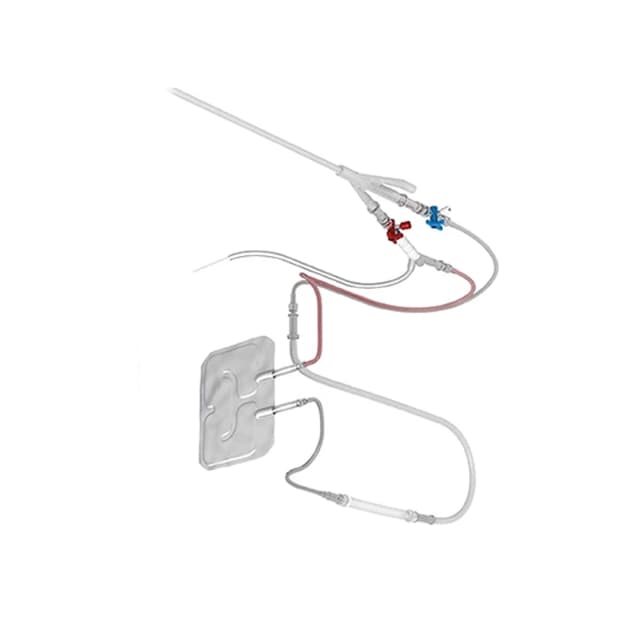
Spinal metastases and other osseous lesions present a challenging clinical scenario—pain, neurological compromise, and potential instability make effective treatment critical. This Intraosseous Radiofrequency Ablation (RFA) system offers a promising, minimally invasive technique for targeted destruction of tumor tissue within the vertebra. Utilizing a 17 G introducer needle, 5 Fr catheter, and a Thermo ablation probe with multi-level safety monitoring, the system delivers controlled ablation to destroy neoplastic cells while preserving patient safety.

Key Features

User-Friendly Touchscreen Display
  • Intuitive Interface: Operators can effortlessly select and fine-tune ablation parameters (e.g., temperature, power) while actively visualizing real-time feedback.
  • Probe Recognition with RFID: The system automatically identifies the catheter model and sets default parameters accordingly, streamlining setup.
Real-Time Monitoring & Safety
  • Temperature & Power Output Tracking: Continual analysis prevents overheating or under-treatment, eliminating potential carbonization risks.
  • Warning System: Sound and light pulses signal high or low temperature and indicate the procedure’s standby operation time (up to 250 seconds).
Controlled Ablation
  • No Carbonization: Maintains temperature in a defined range (80–110 °C) with max power at 40 W, enabling effective tissue necrosis while minimizing excessive heat spread.
  • Multi-Stage Approach: For more extensive lesions, multiple sequential ablations can be planned, safeguarding adjacent structures and nerves.
Precise Intraosseous Delivery
  • 17 G Introducer Needle + 5 Fr Introducer Catheter: Facilitates stable placement into the vertebral body under fluoroscopic or radioscopic imaging guidance.
  • Thermo Probe with Heating Element (1–2.5 mm diameter, 2–4 cm length): Allows the ablation zone to be tailored to the lesion size, ensuring thorough coverage and minimal healthy bone disruption.

Clinical Advantages & Applications

Spinal Metastases Management
  • Pain Relief: Targeted ablation of tumor tissue can reduce pain and restore some stability to compromised vertebrae.
  • Minimally Invasive: Often performed under sedation or local anesthesia, diminishing hospital stays and accelerating patient mobilization.
Reduced Complications & Adjunct Use
  • Lower Risk of Overheating: With regulated temperature control, surrounding bone and spinal cord are less prone to thermal injury.
  • Enhanced Synergy: Post-ablation, vertebral augmentation (e.g., cementoplasty) can further stabilize the spine if needed.
Versatile Imaging Compatibility
  • Radioscopic/Fluoroscopic Guidance: Ensures precise probe positioning and continuous observation of the ablation process, improving operator confidence and patient safety.
  • Controlled Approach: Suitable for metastatic disease in the vertebral body, pedicle, or accessory spinal regions.
Post-Ablation Ease
  • No External Introducer: Single 17 G access route can be withdrawn promptly following ablation—helping reduce procedural complexity and infection risk.
  • Immediate Assessment: Intra- or post-procedure imaging can quickly confirm ablation zone coverage, providing data for possible second-round ablation if needed.
Clinical Focus

spinal tumor ablationvertebral RFAspine metastasis treatmentradiofrequency spine tumorvertebral augmentation adjunctvertebral tumor RFA

Frequently Asked Questions

What is Fusion Radiofrequency Ablation System for Spinal Tumors?

A specialized minimally invasive device designed to deliver targeted radiofrequency energy, effectively ablating spinal tumors while preserving surrounding healthy tissue and reducing procedural recovery time.

What is Fusion Radiofrequency Ablation System for Spinal Tumors used for?

Fusion Radiofrequency Ablation System for Spinal Tumors is part of the Neuro, Spine & Cranial portfolio by INVAMED, designed for minimally invasive diagnostic and therapeutic procedures. It is used by specialists in Oncological Surgery, and Neurosurgery.

What conditions is Fusion Radiofrequency Ablation System for Spinal Tumors used to treat?

Fusion Radiofrequency Ablation System for Spinal Tumors is used in the treatment of herniated disc, degenerative disc disease, chronic discogenic back pain, liver tumors, and soft tissue tumors. Treatment decisions are made by qualified healthcare professionals based on individual patient assessment.

What are the key features of Fusion Radiofrequency Ablation System for Spinal Tumors?

Intuitive Interface: Operators can effortlessly select and fine-tune ablation parameters (e.g., temperature, power) while actively visualizing real-time feedback.; Probe Recognition with RFID: The system automatically identifies the catheter model and sets default parameters accordingly, streamlining setup.; Temperature & Power Output Tracking: Continual analysis prevents overheating or under-treatment, eliminating potential carbonization risks.; Warning System: Sound and light pulses signal high or low temperature and indicate the procedure’s standby operation time (up to 250 seconds).; No Carbonization: Maintains temperature in a defined range (80–110 °C) with max power at 40 W, enabling effective tissue necrosis while minimizing excessive heat spread.

What is Fusion Radiofrequency Ablation System for Spinal Tumors also known as?

Fusion Radiofrequency Ablation System for Spinal Tumors is also known internationally as: spinal tumor ablation, vertebral RFA, spine metastasis treatment.

Who manufactures Fusion Radiofrequency Ablation System for Spinal Tumors?

Fusion Radiofrequency Ablation System for Spinal Tumors is developed and manufactured by INVAMED, a global medical device manufacturer headquartered at One World Trade Center, New York, USA. INVAMED technologies are used by physicians across international markets.