
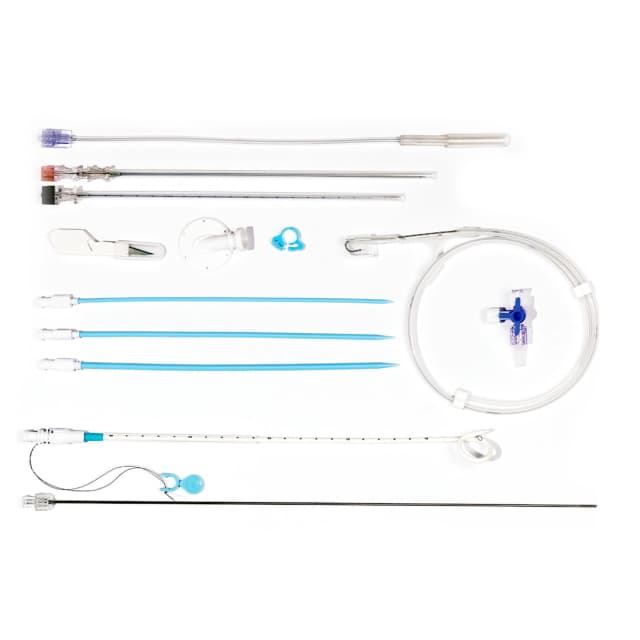
This fiber optic laser probe is designed for endourological applications, transmitting laser energy through a thin, flexible fiber compatible with rigid and flexible endoscopes. It supports minimally invasive treatment of urological soft tissue and stone indications, and is intended for use by trained urologists in accordance with the instructions for use.
A fiber optic laser probe for endourological procedures, delivering laser energy through flexible and rigid endoscopes to the target tissue.
INVAMEDImage coming soon
Urology Fiber Optic Laser Probe
A fiber optic laser probe for endourological procedures, delivering laser energy through flexible and rigid endoscopes to the target tissue.
Specialties
Urology
Clinical Focus
urology laserfiber optic laserendourologylaser probe


Frequently Asked Questions
What is Urology Fiber Optic Laser Probe?
A fiber optic laser probe for endourological procedures, delivering laser energy through flexible and rigid endoscopes to the target tissue.
What is Urology Fiber Optic Laser Probe used for?
Urology Fiber Optic Laser Probe is part of the Urology & Incontinence Management portfolio by INVAMED, designed for minimally invasive diagnostic and therapeutic procedures. It is used by specialists in Urology.
What conditions is Urology Fiber Optic Laser Probe used to treat?
Urology Fiber Optic Laser Probe is used in the treatment of kidney stones, ureteral obstruction, and urinary tract conditions. Treatment decisions are made by qualified healthcare professionals based on individual patient assessment.
What is Urology Fiber Optic Laser Probe also known as?
Urology Fiber Optic Laser Probe is also known internationally as: urology laser, fiber optic laser, endourology.
Who manufactures Urology Fiber Optic Laser Probe?
Urology Fiber Optic Laser Probe is developed and manufactured by INVAMED, a global medical device manufacturer headquartered at One World Trade Center, New York, USA. INVAMED technologies are used by physicians across international markets.