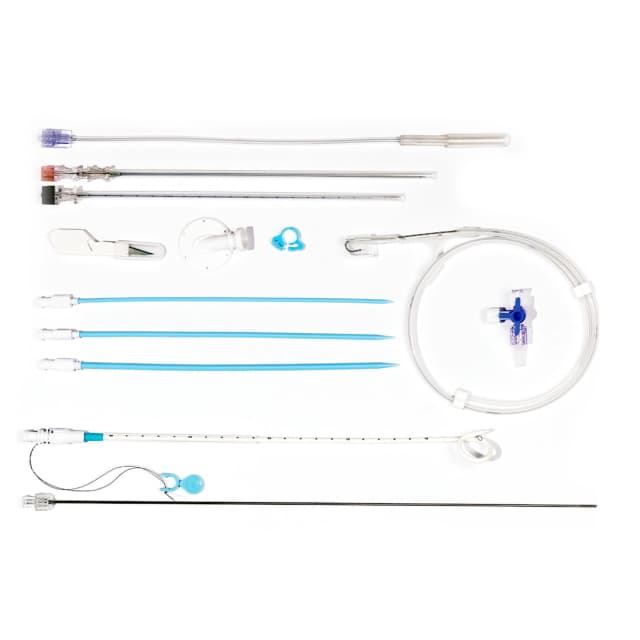
HyperClear represents an innovative laser therapy system designed to effectively remove surplus prostatic tissue in benign prostatic hyperplasia (BPH). Leveraging the LIFE (Laser-Induced Fiber Enucleation) method, HyperClear applies precise laser energy via a flexible fiber placed transurethrally to the obstructive zone, ablating the excess prostate tissue responsible for lower urinary tract symptoms (LUTS). This approach may be performed outpatient—often with local anesthesia—enhancing patient comfort while maintaining efficacy and safety. High-Precision Laser Fiber
Optimized Energy Delivery: The laser fiber is advanced through the urethra to the blocked area, targeting surplus prostate tissue while minimizing collateral damage.
LIFE Method: Focused on selective tissue vaporization or enucleation, ensuring clean resection planes and predictable tissue removal.
Outpatient Feasibility
Local Anesthesia: Allows many patients to undergo the procedure without the risks or recovery times associated with general anesthesia.
Rapid Recovery: Less invasive than conventional transurethral resections, potentially reducing hospital stays and improving patient throughput.
Real-Time Visualization
Precise Tissue Identification: Endoscopic imaging guides the laser fiber to the obstructive tissue, ensuring thorough clearance of the prostatic urethra.
Controlled Ablation: The surgeon can finely tune laser energy to match the tissue’s vascularity and density, limiting the risk of deep thermal damage.
Efficient & Gentle Tissue Removal
Targeted Laser Ablation: Precisely removes hyperplastic prostate segments that hinder urine flow, preserving healthy tissue zones.
Hemostatic Effect: Laser energy also cauterizes small vessels during tissue vaporization, reducing intraoperative bleeding.
Clinical Advantages & Applications
Benign Prostatic Hyperplasia (BPH)
Symptomatic Relief: Alleviates classic LUTS such as frequent urination, weak urine stream, and prolonged emptying times.
Patient Selection: Suited for patients with moderate-to-severe BPH who seek a less invasive alternative to standard TURP or open prostatectomy.
Minimal Invasiveness
Outpatient Possibility: Potentially performed under local anesthesia, minimizing hospitalization and facilitating early mobilization.
Lower Bleeding Risk: Laser-based enucleation or vaporization significantly reduces hemorrhage compared to mechanical resection methods.
Enhanced Patient Experience
Shorter Convalescence: Many patients resume daily activities sooner, with less postoperative discomfort or catheterization durations.
Reduced Need for General Anesthesia: Local or spinal anesthesia lessens systemic risks, beneficial for older or comorbid patients.