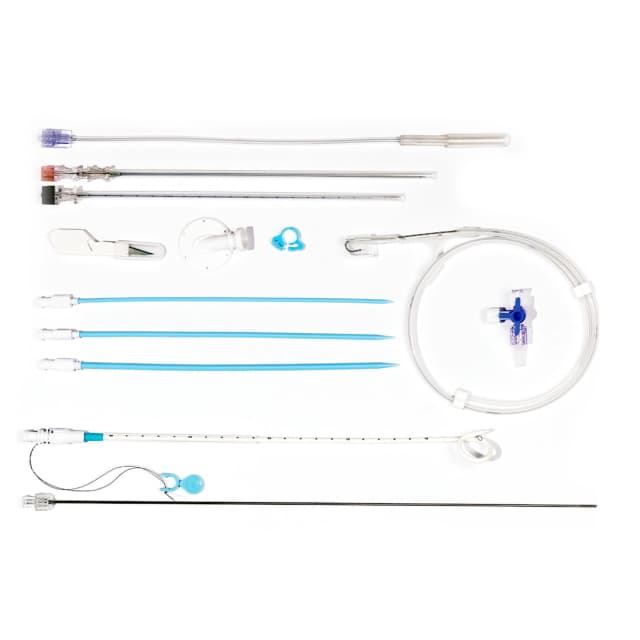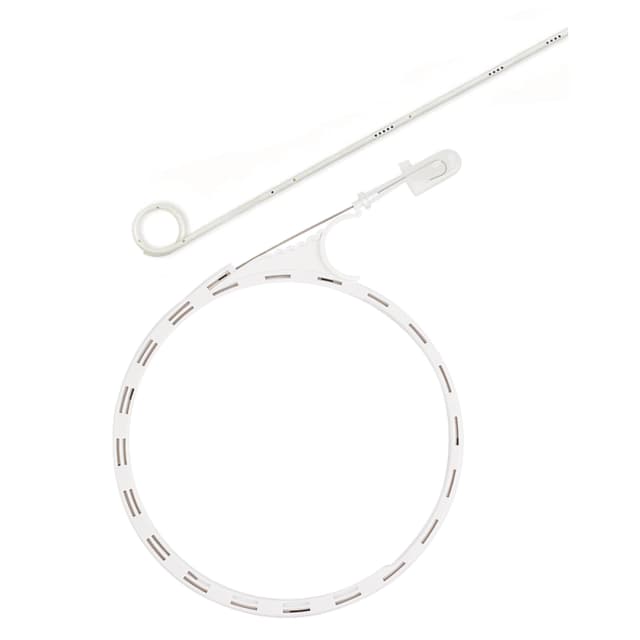
Biocompatible Materials
- Polyurethane (PUR) or Similar: Selected for its flexibility and tissue-friendly nature, reducing irritation during placement and dwell.
- Temperature Responsive: Softens at body temperature, helping adapt to anatomic curves and maintain patient comfort.
Low-Friction Surface
- Lubricious Coating (if applicable): Decreases resistance during catheter insertion and advancement, facilitating passage through the ureter.
- Reliable Navigation: Simplifies patient positioning and alignment under fluoroscopy or endoscopic guidance.
Radiopaque Markers
- Clear Visualization: Embedded or tip-based markers aid in precise catheter placement and orientation during retrograde contrast injection.
- Accurate Imaging: Ensures the operator can confirm correct positioning for effective retrograde urography.
Multiple Lengths & Configurations
- Wide Range of Sizes: Catheters are available in varied diameters (e.g., 4F, 5F, etc.) and lengths, allowing customization based on anatomy and operator preference.
- Optional Curves or Tip Angles: Some models may offer pre-shaped distal tips, assisting in negotiating the ureter’s natural angulations.
- Polyurethane (PUR) or Similar: Selected for its flexibility and tissue-friendly nature, reducing irritation during placement and dwell.
- Temperature Responsive: Softens at body temperature, helping adapt to anatomic curves and maintain patient comfort.
- Lubricious Coating (if applicable): Decreases resistance during catheter insertion and advancement, facilitating passage through the ureter.
- Reliable Navigation: Simplifies patient positioning and alignment under fluoroscopy or endoscopic guidance.
- Clear Visualization: Embedded or tip-based markers aid in precise catheter placement and orientation during retrograde contrast injection.
- Accurate Imaging: Ensures the operator can confirm correct positioning for effective retrograde urography.
- Wide Range of Sizes: Catheters are available in varied diameters (e.g., 4F, 5F, etc.) and lengths, allowing customization based on anatomy and operator preference.
- Optional Curves or Tip Angles: Some models may offer pre-shaped distal tips, assisting in negotiating the ureter’s natural angulations.
Clinical Advantages
Ideal for Retrograde Urography
- Enhanced Contrast Delivery: Streamlined lumen design ensures optimal flow rates of contrast media into the collecting system.
- Detailed Visualization: Promotes high-quality imaging of the renal pelvis, calyces, and ureters with minimal interference or backflow.
Reduced Patient Discomfort
- Flexible Shaft: Minimizes ureteral trauma and irritation throughout positioning or short-term indwelling.
- Gentle, Secure Placement: Low-friction surface allows a safe and controlled procedure, limiting the risk of inadvertent injuries.
Efficient Procedure Flow
- Clear Radiopaque Markings: Increases operator confidence and speed by quickly verifying catheter depth and orientation under fluoroscopy.
- One-Step Insertion: Decreased need for multiple instrument exchanges, benefiting both operator workflow and patient experience.
Versatile Clinical Usage
- Diagnosis & Evaluation: Allows contrast injection for thorough assessment of suspected ureteral or renal pelvic pathologies (e.g., stones, strictures, or tumors).
- Adjunct to Endoscopic Interventions: May assist with stent or guidewire placement in conjunction with stone extraction or other endoscopic urological procedures.
- Enhanced Contrast Delivery: Streamlined lumen design ensures optimal flow rates of contrast media into the collecting system.
- Detailed Visualization: Promotes high-quality imaging of the renal pelvis, calyces, and ureters with minimal interference or backflow.
- Flexible Shaft: Minimizes ureteral trauma and irritation throughout positioning or short-term indwelling.
- Gentle, Secure Placement: Low-friction surface allows a safe and controlled procedure, limiting the risk of inadvertent injuries.
- Clear Radiopaque Markings: Increases operator confidence and speed by quickly verifying catheter depth and orientation under fluoroscopy.
- One-Step Insertion: Decreased need for multiple instrument exchanges, benefiting both operator workflow and patient experience.
- Diagnosis & Evaluation: Allows contrast injection for thorough assessment of suspected ureteral or renal pelvic pathologies (e.g., stones, strictures, or tumors).
- Adjunct to Endoscopic Interventions: May assist with stent or guidewire placement in conjunction with stone extraction or other endoscopic urological procedures.