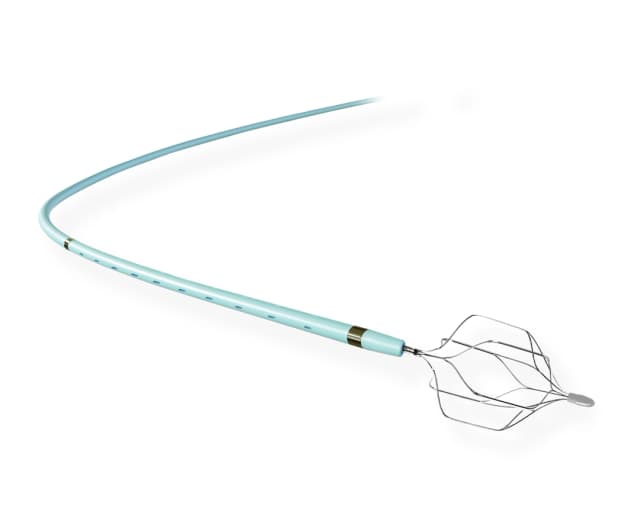
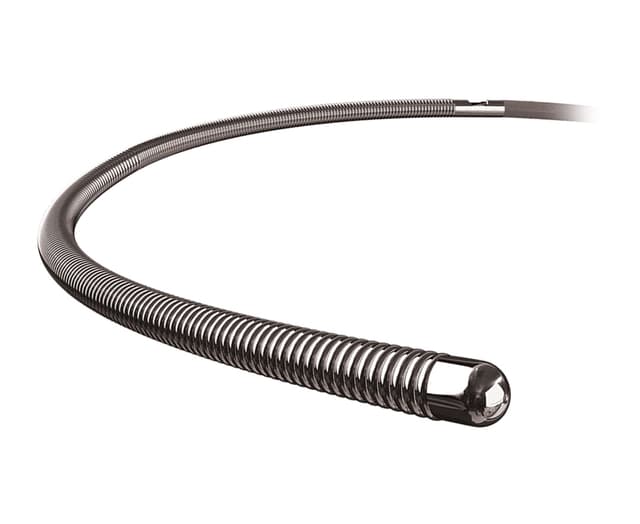
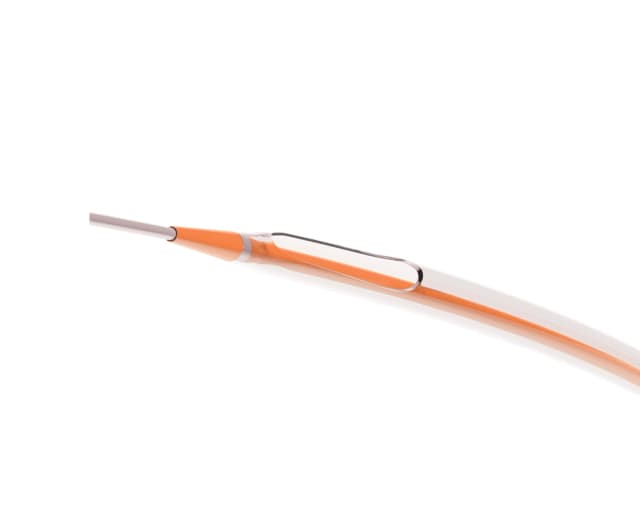
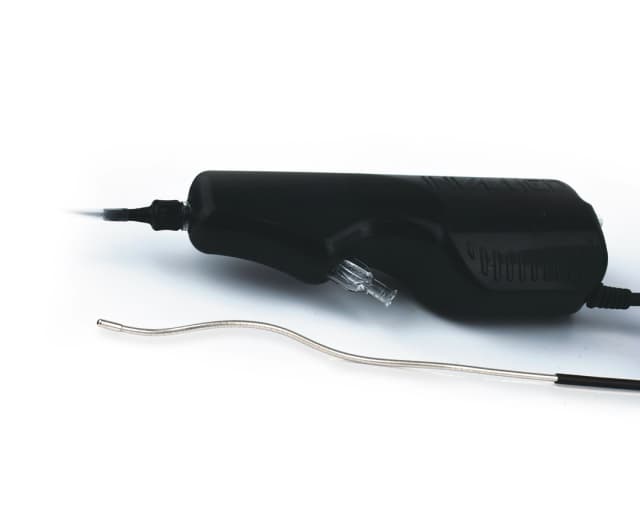
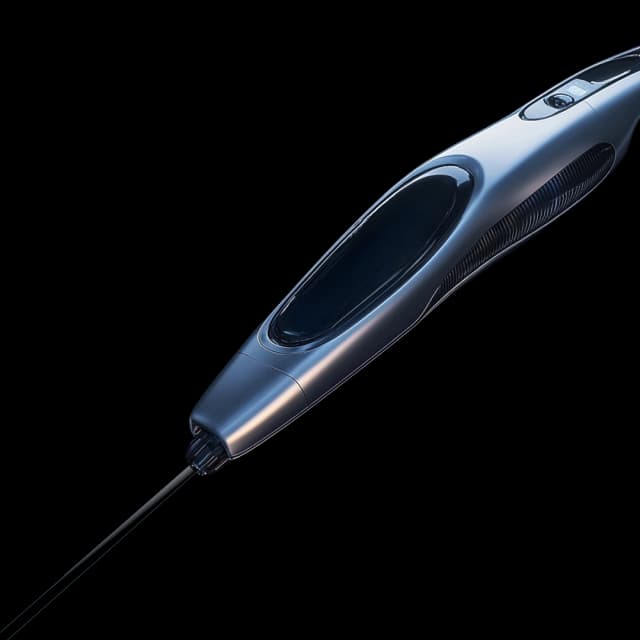
Mechanical thrombectomy for DVT uses catheter-based devices to physically remove blood clots from deep veins without relying solely on thrombolytic drugs. Techniques include rotational disruption, aspiration, and pharmacomechanical approaches.
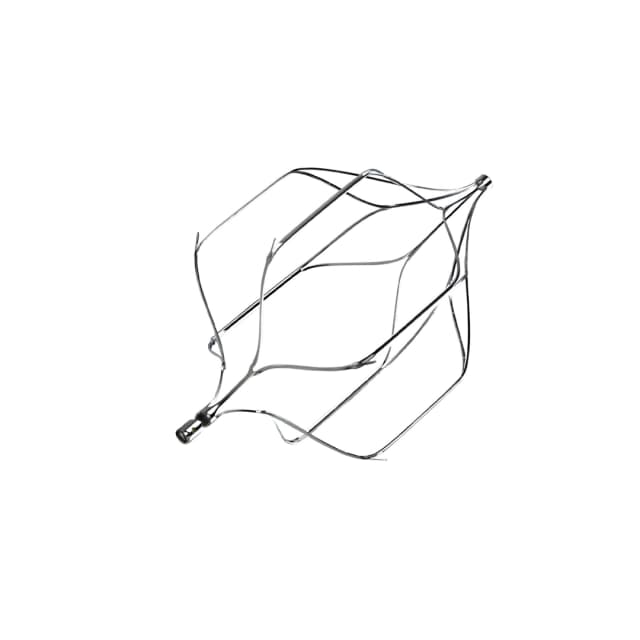
An IVC filter is indicated when DVT patients cannot receive anticoagulation (active bleeding, recent surgery) or when anticoagulation fails. Retrievable filters can be removed once the contraindication resolves.
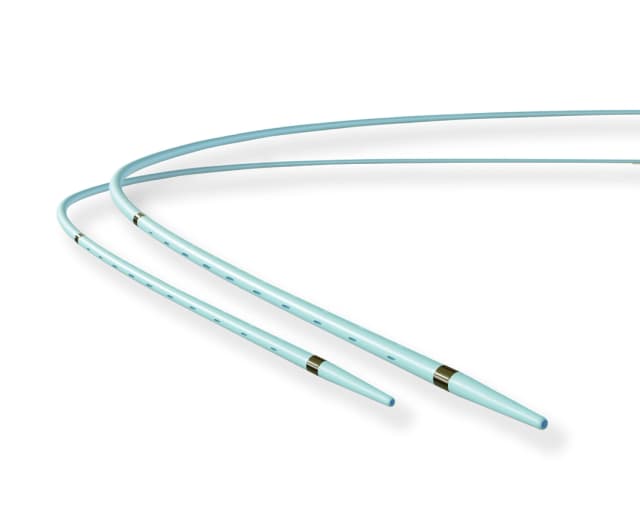
CDT delivers thrombolytic drugs directly into the DVT clot through a multi-sidehole catheter. This achieves higher local drug concentration with lower systemic dose, reducing bleeding risk.
A mechanical thrombectomy device removes a blood clot from a vessel using rotation, aspiration, or capture instead of clot-dissolving drugs alone. In DVT, rotational and aspiration systems debulk the clot through a catheter, restoring venous flow in a single session and reducing thrombolytic dose.
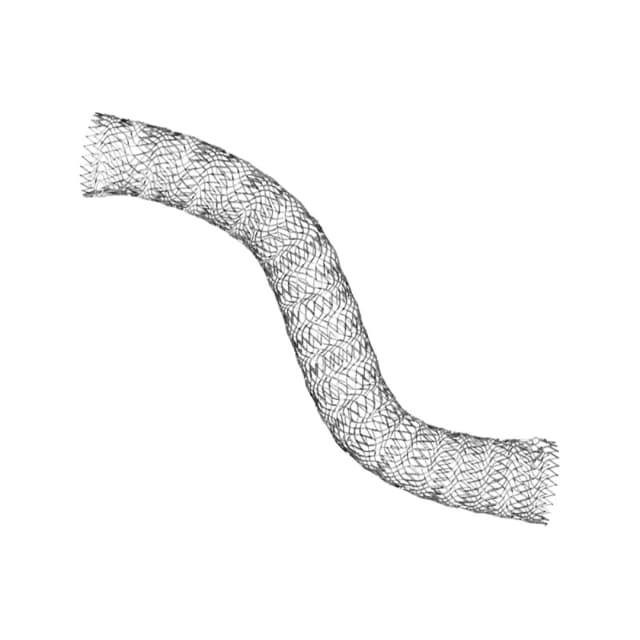
Interventional DVT care uses mechanical thrombectomy devices to extract the clot, catheter-directed thrombolysis systems to dissolve it locally, dedicated venous stents to reopen compressed iliofemoral segments, and retrievable IVC filters to protect against pulmonary embolism in selected patients.
Almost always yes — most modern IVC filters are MRI Conditional and safe at standard field strengths under defined conditions, being made of nitinol or titanium alloys. Always tell the MRI team you have a filter and provide the device details so they can confirm the specific conditions.
Catheter-directed thrombolysis delivers a clot-dissolving drug directly into a large clot through a catheter placed within it, achieving faster local lysis at a much lower dose and lower bleeding risk than systemic thrombolysis. Ultrasound-assisted (EKOS-type) versions accelerate this further.