Absorbable hemostatic agents control surgical bleeding when conventional methods are insufficient. Materials include oxidized cellulose, gelatin matrices, and collagen products. They promote platelet aggregation and fibrin formation, then are absorbed over weeks.
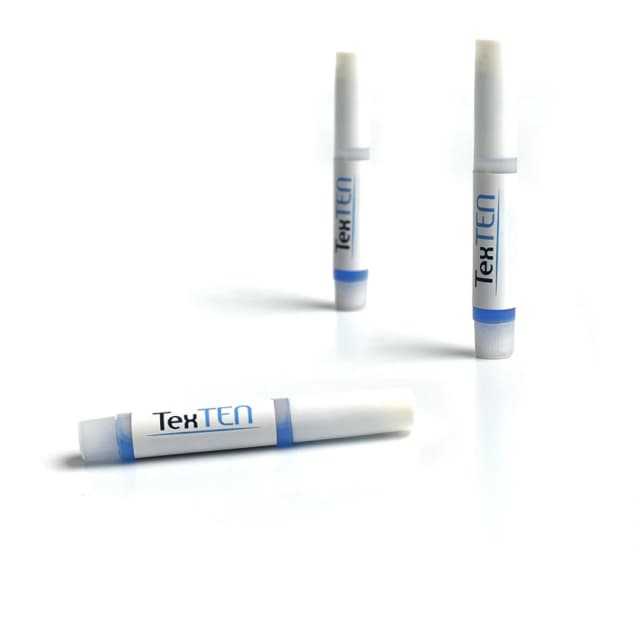
Cyanoacrylate tissue adhesive polymerizes rapidly upon contact with tissue moisture, forming a strong bond for wound closure and hemostasis. It provides fast-acting tissue sealing without sutures in appropriate wound types.
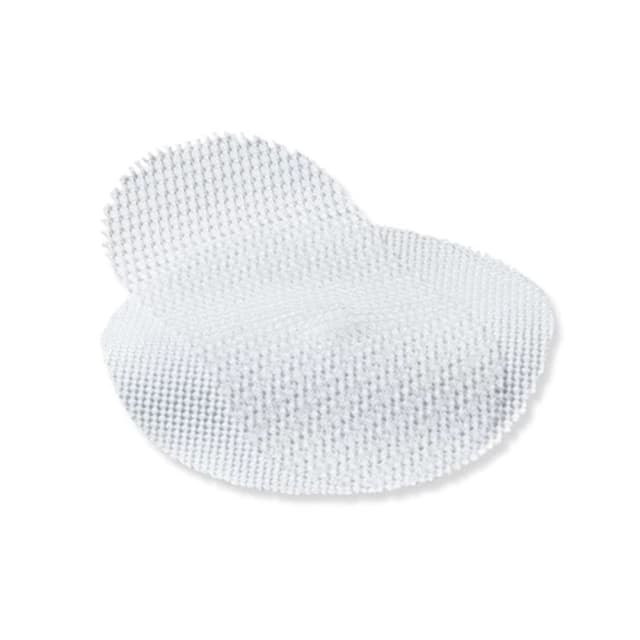
Surgical mesh provides mechanical reinforcement for weakened tissue in hernia repair and abdominal wall reconstruction. Available in non-absorbable and partially absorbable configurations depending on the clinical requirement.
Hernia meshes are woven or knitted implants. Non-absorbable meshes are usually polypropylene and provide permanent reinforcement; partially absorbable meshes combine a permanent framework with an absorbable component that leaves less material behind after healing. The surgeon selects the type based on the hernia and patient.
Most patients return to desk work within one to two weeks and to unrestricted activity in about four to six weeks; laparoscopic repair often shortens the early phase. The surgeon’s specific guidance takes priority.