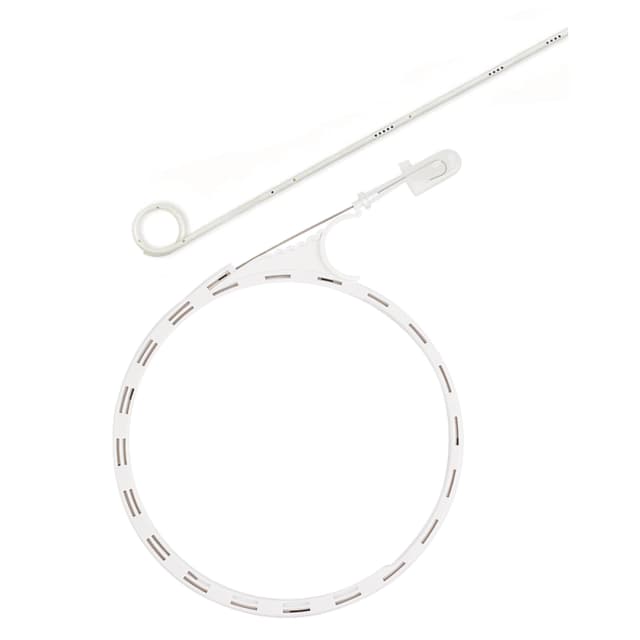
A double-J stent maintains ureteral patency in cases of obstruction from stones, tumors, strictures, or post-surgical edema. The J-shaped coils anchor the stent in the renal pelvis and bladder for reliable drainage.
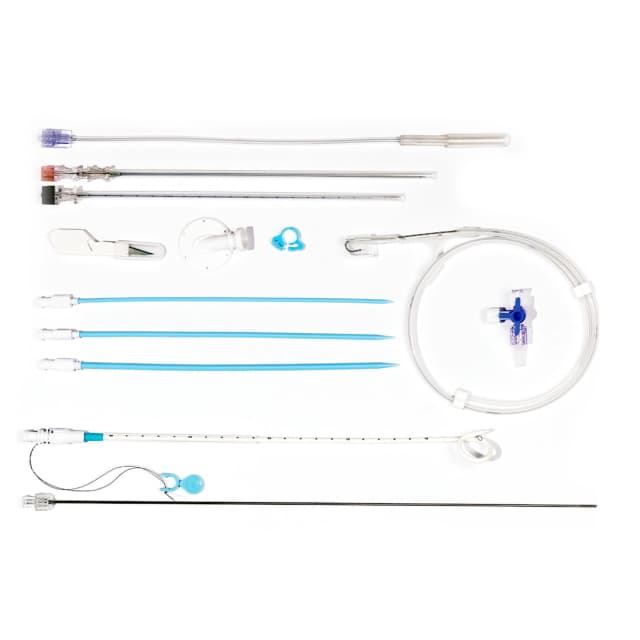
Percutaneous nephrostomy places a drainage catheter directly into the renal collecting system through the skin under imaging guidance. It relieves urinary obstruction when ureteral stenting is not possible.
Stone extraction baskets are wire-mesh devices deployed through a ureteroscope to capture and retrieve ureteral or renal stones. Tipless designs allow safer stone engagement without mucosal trauma.
Often, yes. A temporary double-J stent is frequently placed to keep the ureter open while post-procedure swelling settles and fragments clear. It is removed or exchanged on a defined schedule and must never be left in indefinitely.
Usually days to a few weeks after stone treatment; long-term stents for chronic obstruction are exchanged on a schedule set by the urologist. Stents left too long encrust and can be difficult to remove, so keeping the removal appointment is essential.