Revolutionizing Vascular Treatment: TemREN Atherectomy for Precision and Control
Type: Rotational Atherectomy Device
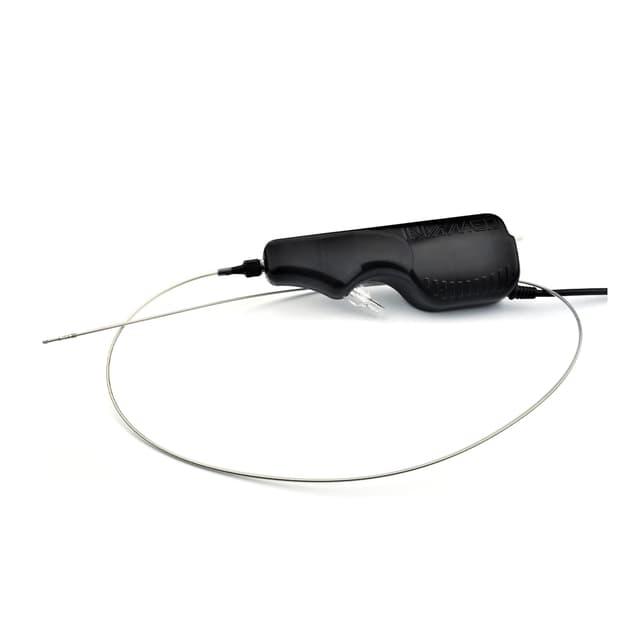
Adjustable Speed: Customizable rotational speed for tailored treatment.
IVUS Compatibility: Compatible with Intravascular Ultrasound for enhanced visualization.
Empower Your Practice with TemREN: Atherectomy at its Smartest
Control: Bluetooth connectivity for remote control via Android and iOS devices.
Artificial Intelligence: Embedded AI system for smart, data-driven operation. TemREN delivers smart, data-driven operation, further enhancing its precision and reliability.
TemREN Atherectomy: Where Innovation Meets Patient Care
Guidewire Compatibility: Operable with both 0.014 and 0.035 guide wires.
Aspiration Feature: High-powered aspiration for effective removal of debris.
Material: Durable and biocompatible construction.
• Method of IVUS analysis of calcium reduction. Pre-treatment IVUS (A), and the corresponding post-atherectomy IVUS (B). • The analysis sequence is shown at the bottom. • After identifying and matching the slices with calcium reduction, the lumen borders for both pretreatment (blue circle: lumen area=5.0 mm2) (C) and post-atherectomy images (green circle: lumen area=19.5 mm2 ) were contoured; and the two were overlaid. By comparing the two contours to the visual assessment of plaque, lumen gain (14.5 mm2) could be attributed automatically.
Early outcomes of novel Temren atherectomy device combined with drug-coated balloon angioplasty for treatment of femoropopliteal lesions The Kaplan–Meier estimator estimated the rate of freedom from target lesion revascularization (TLR) estimated that the was 92.3%. Combined use of Temren RA with adjunctive DCB is a safe and effective method with high rates of primary patency and freedom from TLR and low rates of complication in the treatment of femoropopliteal lesions.
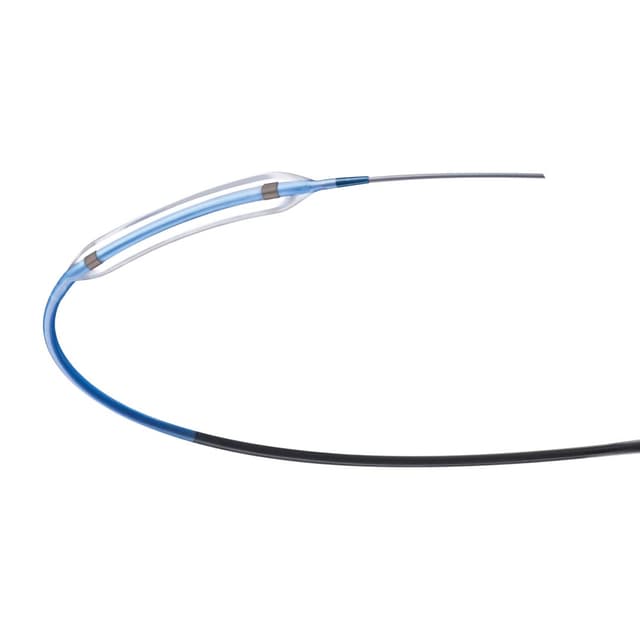
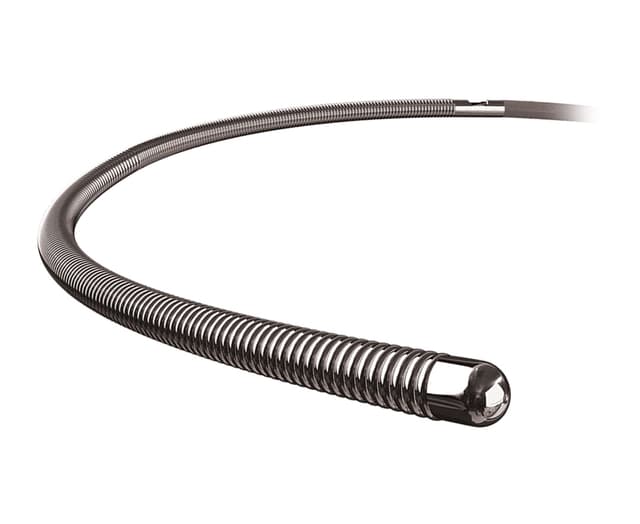
TemREN represents a front-cutting atherectomy device engineered to mechanically debulk and clear plaque within peripheral arteries—especially in challenging PAD (Peripheral Arterial Disease) lesions. By combining low-profile design, direct lesion access, and reduced vessel trauma, TemREN is poised to enhance both efficacy and procedural confidence in the endovascular management of systemic atherosclerosis.
Front Cutter
Direct Lesion Debulking: The front-cutting mechanism addresses atherosclerotic tissue at the lesion core, reducing the need for nosecone passage prior to cutting.
Minimized Vessel Trauma: By precise plaque shaving rather than forceful pushing, the cutter design aims to lower shear stress or vessel dissection risk.
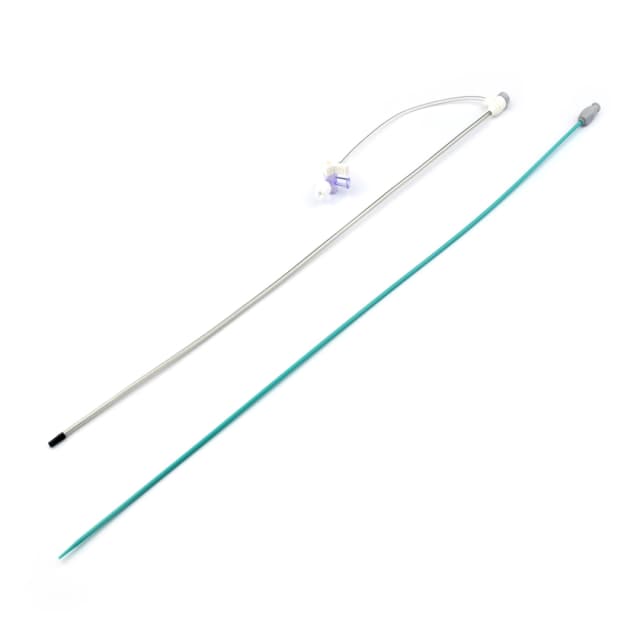
Low-Profile, Over-the-Wire Catheter
Enhanced Deliverability: A streamlined catheter shaft navigates through tortuous pathways without unnecessary friction, improving trackability and pushability.
Wire Guidance: The over-the-wire approach allows stable lesion crossing, facilitating accurate lesion engagement and device alignment.
Reduced Need for Stents
Mechanical Atheromatous Removal: Atherectomy can diminish plaque burden while preserving or maximizing native vessel patency, potentially limiting adjunctive stenting.
Optimized Physiologic Remodeling: By clearing plaque from the lumen, flow dynamics are restored with lower reliance on metallic implants.
Versatile Indications in PAD
Femoral, Popliteal, and Infrapopliteal Vessels: Suitable for a range of peripheral segments typically subjected to high shear stress from stenting or angioplasty alone.
Adjunct to Balloon Angioplasty: Enhances the efficacy of subsequent balloon dilation or drug delivery.
Clinical Evidence
The TemREN atherectomy system has been evaluated in peer-reviewed clinical studies in patients with femoropopliteal and infrainguinal arterial disease:
- Early outcomes of the novel Temren atherectomy device combined with drug-coated balloon angioplasty (Vascular, 2021) — combined rotational atherectomy with adjunctive drug-coated balloon angioplasty was reported as safe and effective, with high rates of primary patency and freedom from target lesion revascularization. DOI: 10.1177/17085381211029819
- LEO 7 prospective trial (Journal of Vascular Surgery, 2018) — in 67 patients with 74 infrainguinal lesions, lesion technical success was 97.0%, with 30-day major adverse events of 8.9% and 6-month freedom from target lesion revascularization of 89.0%. DOI: 10.1016/j.jvs.2018.08.161
Browse the full INVAMED Clinical Evidence Library for source-linked study data across the portfolio.