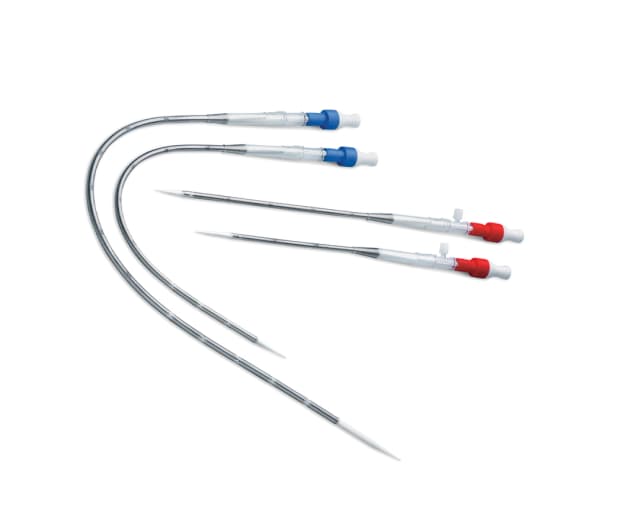
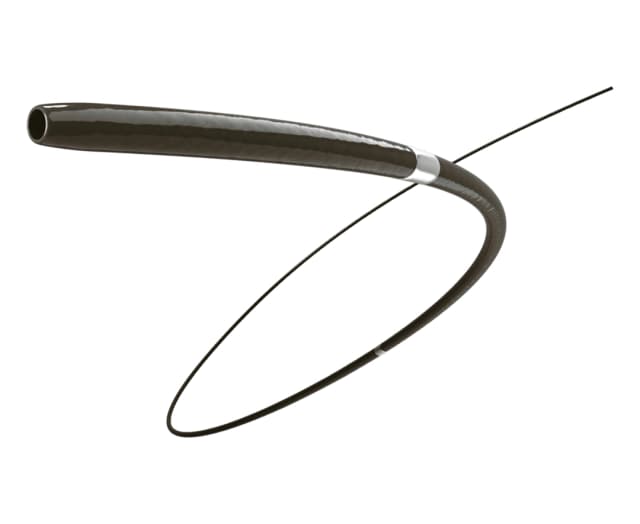
What is Comprehensive Catheter & Guidewire Systems?
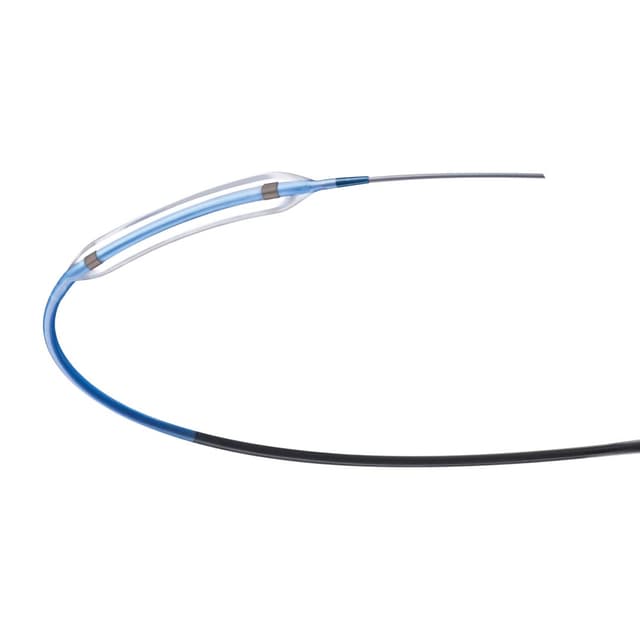
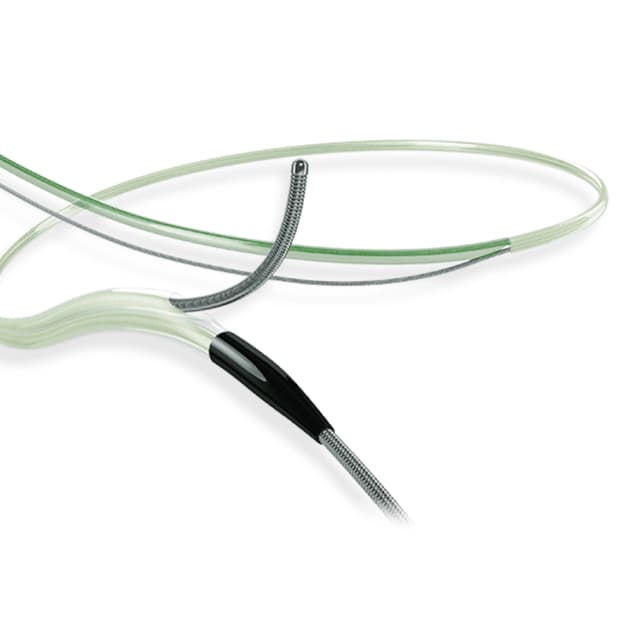
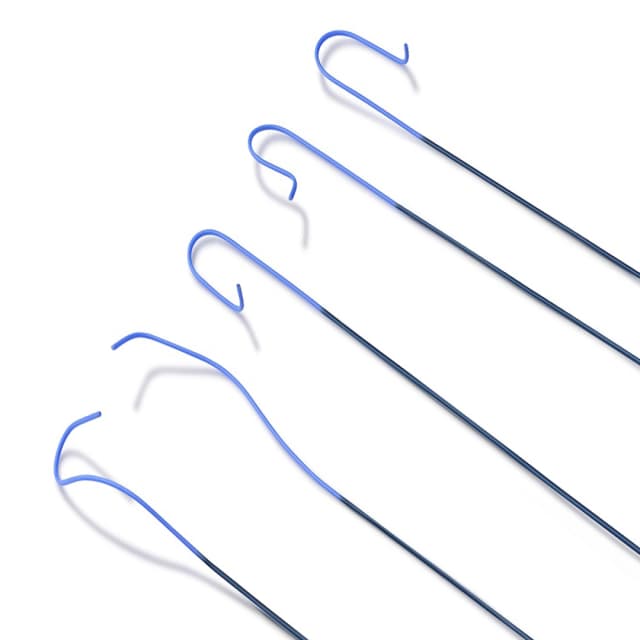
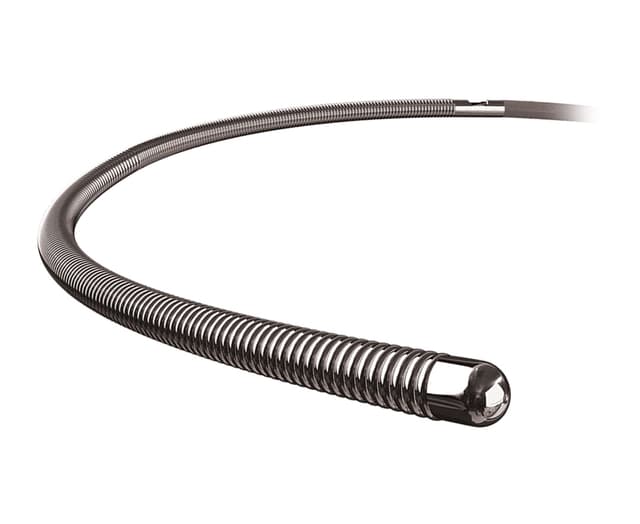
Complete interventional access platform: guiding catheters, microcatheters, support and crossing catheters, PTCA and peripheral guidewires, sheaths, and snares.
Who manufactures Comprehensive Catheter & Guidewire Systems devices?
INVAMED develops and manufactures a complete range of comprehensive catheter & guidewire systems devices at its manufacturing and research campus in Ankara, Turkey, with a U.S. office at One World Trade Center, New York. INVAMED technologies are used by physicians across international markets.
Comprehensive Catheter & Guidewire Systems product portfolio
The INVAMED comprehensive catheter & guidewire systems portfolio includes: Extender Catéter Balón PTCA Liberador de Fármacos Paclitaxel, Extender Catéter Balón PTCA, Lotus Microcatéter PTCA de Lumen Único y Doble Lumen (RX), AngioCATH Catéteres Guía, GuideX Catéter de Extensión, SteerCATH Catéter Dirigible, InWIRE Guías PTCA, Nexus Cánula Venosa y Arterial, Extender Catéter Balón PTA con Fármaco, DolphinPro Catéter de Soporte, Dolphin PRO Catéter de Soporte de Cruce de Bajo Perfil, Dolphin ZEBRA Catéter de Soporte de Cruce, Dolphin Catéter de Entrada Subintimal, JaGuar Introductor Guía, InWIRE Guías Periféricas, Keeper Lazo Endovascular, AnkaCATH Catéter de Acceso Distal Neurovascular, MicroCATH Familia de Catéteres Neurovasculares, InWIRE NEURO Guía Neurovascular, Pars Catéter de Embolización Desprendible, MicroDELIVERY Catéter de Embolización, Invaducer Introductor, Catéter de aspiración AspireCath, Catéter de entrega DeliverCath.
Frequently Asked Questions about Comprehensive Catheter & Guidewire Systems
What types of diagnostic catheters are used in angiography?
Diagnostic catheters include pigtail for ventriculography, Judkins Right and Left for coronary catheterization, and multipurpose catheters for various vascular territories. Shape selection depends on aortic root anatomy and target vessel.
How do guidewire tip stiffness grades affect clinical use?
Guidewire tip stiffness ranges from floppy (~1g) for atraumatic navigation to extra-stiff (12-20g) for CTO crossing. Workhorse wires handle routine cases, moderate-support wires aid in tortuous anatomy, and CTO wires penetrate organized thrombus.
What is the difference between a microcatheter and a standard catheter?
Microcatheters are ultra-thin (1.5-3F) catheters for small tortuous vessels that standard catheters cannot reach. They feature steam-shapeable tips and hydrophilic coatings for embolization, selective drug delivery, and guidewire support.