
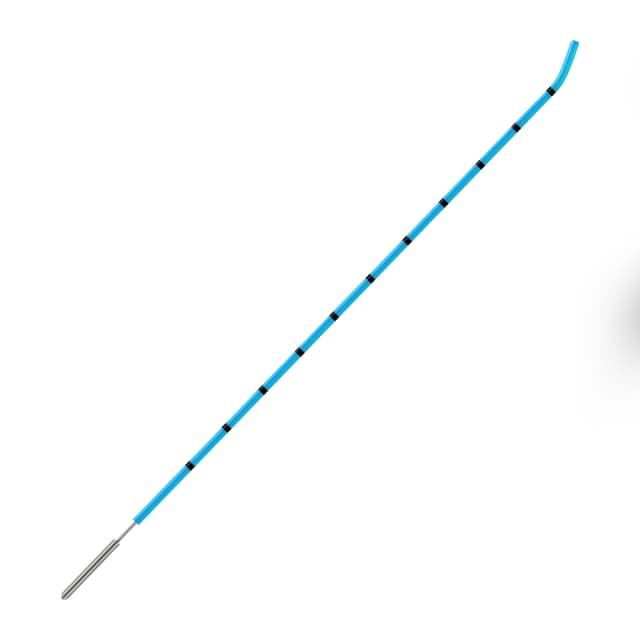
UroGlide ureteral catheters by INVAMED for smooth and reliable ureteral navigation. Efficient drainage and access during urological procedures. CE marked ureteral catheter.
How does UroGlide Ureteral Catheters work?
Designed for smooth and reliable navigation, these catheters ensure efficient drainage and access during urological procedures, minimizing trauma and optimizing patient comfort.
What are the key features of UroGlide Ureteral Catheters?
Polyurethane (PUR) or Similar: Selected for its flexibility and tissue-friendly nature, reducing irritation during placement and dwell.
Temperature Responsive: Softens at body temperature, helping adapt to anatomic curves and maintain patient comfort.
Lubricious Coating (if applicable): Decreases resistance during catheter insertion and advancement, facilitating passage through the ureter.
Reliable Navigation: Simplifies patient positioning and alignment under fluoroscopy or endoscopic guidance.
Clear Visualization: Embedded or tip-based markers aid in precise catheter placement and orientation during retrograde contrast injection.
Accurate Imaging: Ensures the operator can confirm correct positioning for effective retrograde urography.
Who manufactures UroGlide Ureteral Catheters?
UroGlide Ureteral Catheters is manufactured by INVAMED, a globally recognized medical device company headquartered in Ankara, Turkey. INVAMED holds over 100 international patents and exports CE marked devices to more than 80 countries. The company is ISO 13485 certified and FDA registered through Standard Technology Solutions, Inc. at One World Trade Center, New York.
What category does UroGlide Ureteral Catheters belong to?
UroGlide Ureteral Catheters is part of the Urology & Incontinence Management product portfolio by INVAMED. This category includes advanced medical devices designed for interventional procedures performed by healthcare professionals worldwide.
Which medical specialties use UroGlide Ureteral Catheters?
UroGlide Ureteral Catheters is used by specialists in Urology. These physicians rely on INVAMED devices for minimally invasive diagnostic and therapeutic procedures.
Is UroGlide Ureteral Catheters CE marked and FDA registered?
Yes. UroGlide Ureteral Catheters carries CE marking under EU MDR 2017/745 and is manufactured in ISO 13485 certified facilities. It is available in the U.S. market through FDA-registered Standard Technology Solutions, Inc.
UroGlide ureteral catheters by INVAMED for smooth and reliable ureteral navigation. Efficient drainage and access during urological procedures. CE marked ureteral catheter.
Designed for smooth and reliable navigation, these catheters ensure efficient drainage and access during urological procedures, minimizing trauma and optimizing patient comfort.
Specialties
Urology
Key Features
Polyurethane (PUR) or Similar: Selected for its flexibility and tissue-friendly nature, reducing irritation during placement and dwell.
Temperature Responsive: Softens at body temperature, helping adapt to anatomic curves and maintain patient comfort.
Lubricious Coating (if applicable): Decreases resistance during catheter insertion and advancement, facilitating passage through the ureter.
Reliable Navigation: Simplifies patient positioning and alignment under fluoroscopy or endoscopic guidance.
Clear Visualization: Embedded or tip-based markers aid in precise catheter placement and orientation during retrograde contrast injection.
Accurate Imaging: Ensures the operator can confirm correct positioning for effective retrograde urography.
UroGlide Ureteral Catheters are precision-engineered devices designed for retrograde urography—providing smooth, reliable access to the ureter and renal collecting system. Each catheter features a low-friction surface and patient-centric design, ensuring streamlined visualization of the upper urinary tract while helping to minimize trauma and maximize imaging clarity.
Biocompatible Materials
Polyurethane (PUR) or Similar: Selected for its flexibility and tissue-friendly nature, reducing irritation during placement and dwell.
Temperature Responsive: Softens at body temperature, helping adapt to anatomic curves and maintain patient comfort.
Low-Friction Surface
Lubricious Coating(if applicable): Decreases resistance during catheter insertion and advancement, facilitating passage through the ureter.
Reliable Navigation: Simplifies patient positioning and alignment under fluoroscopy or endoscopic guidance.
Radiopaque Markers
Clear Visualization: Embedded or tip-based markers aid in precise catheter placement and orientation during retrograde contrast injection.
Accurate Imaging: Ensures the operator can confirm correct positioning for effective retrograde urography.
Multiple Lengths & Configurations
Wide Range of Sizes: Catheters are available in varied diameters (e.g., 4F, 5F, etc.) and lengths, allowing customization based on anatomy and operator preference.
Optional Curves or Tip Angles: Some models may offer pre-shaped distal tips, assisting in negotiating the ureter’s natural angulations.
Polyurethane (PUR) or Similar: Selected for its flexibility and tissue-friendly nature, reducing irritation during placement and dwell.
Temperature Responsive: Softens at body temperature, helping adapt to anatomic curves and maintain patient comfort.
Lubricious Coating(if applicable): Decreases resistance during catheter insertion and advancement, facilitating passage through the ureter.
Reliable Navigation: Simplifies patient positioning and alignment under fluoroscopy or endoscopic guidance.
Clear Visualization: Embedded or tip-based markers aid in precise catheter placement and orientation during retrograde contrast injection.
Accurate Imaging: Ensures the operator can confirm correct positioning for effective retrograde urography.
Wide Range of Sizes: Catheters are available in varied diameters (e.g., 4F, 5F, etc.) and lengths, allowing customization based on anatomy and operator preference.
Optional Curves or Tip Angles: Some models may offer pre-shaped distal tips, assisting in negotiating the ureter’s natural angulations.
Clinical Advantages
Ideal for Retrograde Urography
Enhanced Contrast Delivery: Streamlined lumen design ensures optimal flow rates of contrast media into the collecting system.
Detailed Visualization: Promotes high-quality imaging of the renal pelvis, calyces, and ureters with minimal interference or backflow.
Reduced Patient Discomfort
Flexible Shaft: Minimizes ureteral trauma and irritation throughout positioning or short-term indwelling.
Gentle, Secure Placement: Low-friction surface allows a safe and controlled procedure, limiting the risk of inadvertent injuries.
Efficient Procedure Flow
Clear Radiopaque Markings: Increases operator confidence and speed by quickly verifying catheter depth and orientation under fluoroscopy.
One-Step Insertion: Decreased need for multiple instrument exchanges, benefiting both operator workflow and patient experience.
Versatile Clinical Usage
Diagnosis & Evaluation: Allows contrast injection for thorough assessment of suspected ureteral or renal pelvic pathologies (e.g., stones, strictures, or tumors).
Adjunct to Endoscopic Interventions: May assist with stent or guidewire placement in conjunction with stone extraction or other endoscopic urological procedures.
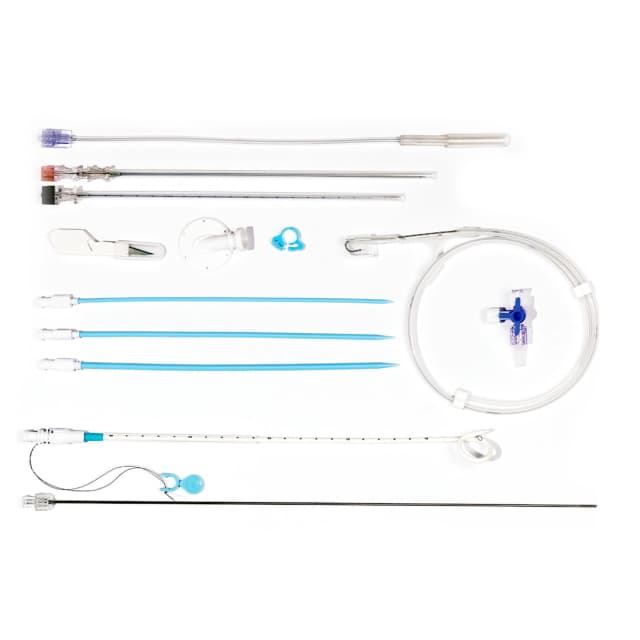
Enhanced Contrast Delivery: Streamlined lumen design ensures optimal flow rates of contrast media into the collecting system.
Detailed Visualization: Promotes high-quality imaging of the renal pelvis, calyces, and ureters with minimal interference or backflow.
Flexible Shaft: Minimizes ureteral trauma and irritation throughout positioning or short-term indwelling.
Gentle, Secure Placement: Low-friction surface allows a safe and controlled procedure, limiting the risk of inadvertent injuries.
Clear Radiopaque Markings: Increases operator confidence and speed by quickly verifying catheter depth and orientation under fluoroscopy.
One-Step Insertion: Decreased need for multiple instrument exchanges, benefiting both operator workflow and patient experience.
Diagnosis & Evaluation: Allows contrast injection for thorough assessment of suspected ureteral or renal pelvic pathologies (e.g., stones, strictures, or tumors).
Adjunct to Endoscopic Interventions: May assist with stent or guidewire placement in conjunction with stone extraction or other endoscopic urological procedures.