INVAMED

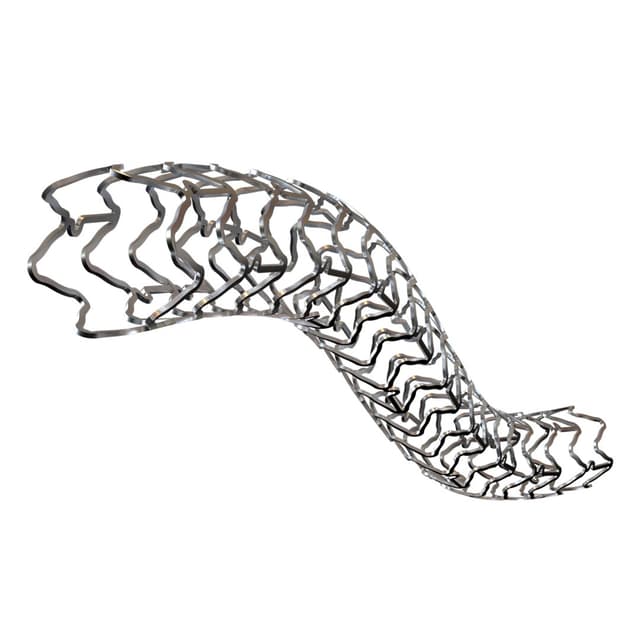
Cobalt-chromium coronary stent system with high radial strength and low recoil for complex and calcified lesions in percutaneous coronary intervention (PCI).

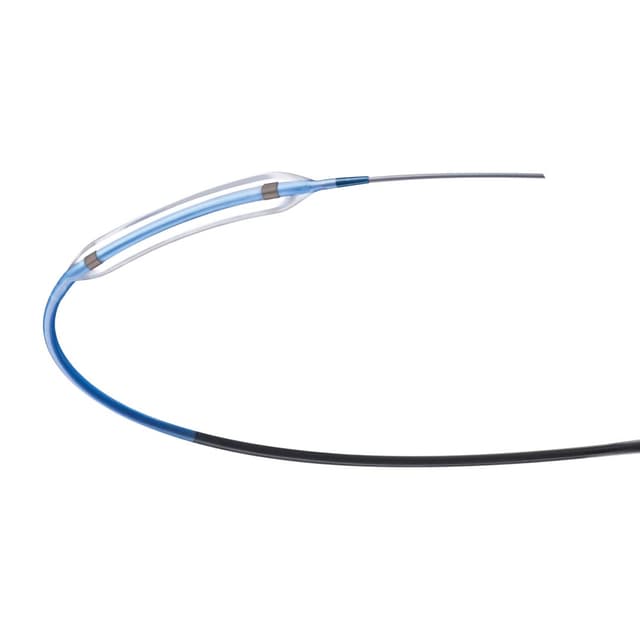
Atlas Coronary Stent System Cobalt Chromium — cobalt chromium coronary stent

Atlas Coronary Stent System Cobalt Chromium

A cobalt-chromium coronary stent delivering durable radial strength and excellent trackability, suited for complex or calcified coronary lesions while ensuring minimal recoil.

Specialties

Interventional Cardiology, Cardiac

Key Features

  • Flexible and highly fracture-resistant struts & excellent radial force
  • Increased conformability within unique open-cell design technology
  • Optimized radial force to reduce thrombosis and neointima hyperplasia
  • Easy to place and safe with a low thrombosis rate
  • Provides flexibility, adaptability, access to side branches and has a higher resistance to fracture
  • Advanced delivery mechanism ensures precise deployment, easy navigation, and reduced procedure time, enhancing overall surgical efficiency.

The ATLAS Drug Eluting Coronary Stent System is a next-generation cobalt-chromium (CoCr) stent platform coated with a sirolimus formulation (1 µg/mm²) designed to reduce restenosis in patients with coronary artery disease. By combining advanced laser-cutting technology and a clinically proven antiproliferative drug, the ATLAS system delivers durable vessel patency and a high safety profile in both de novo lesions and in-stent restenosis scenarios.

Cobalt-Chromium Alloy (L605) Construction
  • Ensures exceptional strength-to-thickness ratio, enabling thinner struts without compromising radial force.
  • Exhibits excellent corrosion resistance and biocompatibility for a stable healing environment.
Laser-Cut Stent Design
  • Precision machining yields consistent strut geometry, promoting uniform drug distribution and an even healing surface along the vessel wall.
  • Enhances stent deliverability, allowing smooth passage through calcified or tortuous coronary segments.
Sirolimus Elution Profile
  • 1 µg/mm² of sirolimus is coated onto the stent’s surface, ensuring a sustained, controlled release that minimizes in-stent neointimal growth.
  • Controlled drug release aids in rapid endothelialization, lowering the risk of late stent thrombosis.
Radiopaque Pt-Ir Markers
  • Platinum-iridium markers at stent edges enable precise visibility under fluoroscopy.
  • Facilitates accurate positioning during percutaneous coronary intervention (PCI) procedures.
High-Pressure Capability

interventional cardiologists flexibility to optimize stent expansion based on lesion complexity.
  • Ensures exceptional strength-to-thickness ratio, enabling thinner struts without compromising radial force.
  • Exhibits excellent corrosion resistance and biocompatibility for a stable healing environment.
  • Precision machining yields consistent strut geometry, promoting uniform drug distribution and an even healing surface along the vessel wall.
  • Enhances stent deliverability, allowing smooth passage through calcified or tortuous coronary segments.
  • 1 µg/mm² of sirolimus is coated onto the stent’s surface, ensuring a sustained, controlled release that minimizes in-stent neointimal growth.
  • Controlled drug release aids in rapid endothelialization, lowering the risk of late stent thrombosis.
  • Platinum-iridium markers at stent edges enable precise visibility under fluoroscopy.
  • Facilitates accurate positioning during percutaneous coronary intervention (PCI) procedures.

interventional cardiologists flexibility to optimize stent expansion based on lesion complexity.
Clinical Focus

cobalt chromium coronary stentcoronary stent systemPCI stentbare metal stent platformcomplex coronary lesion stentAtlas coronary stent